
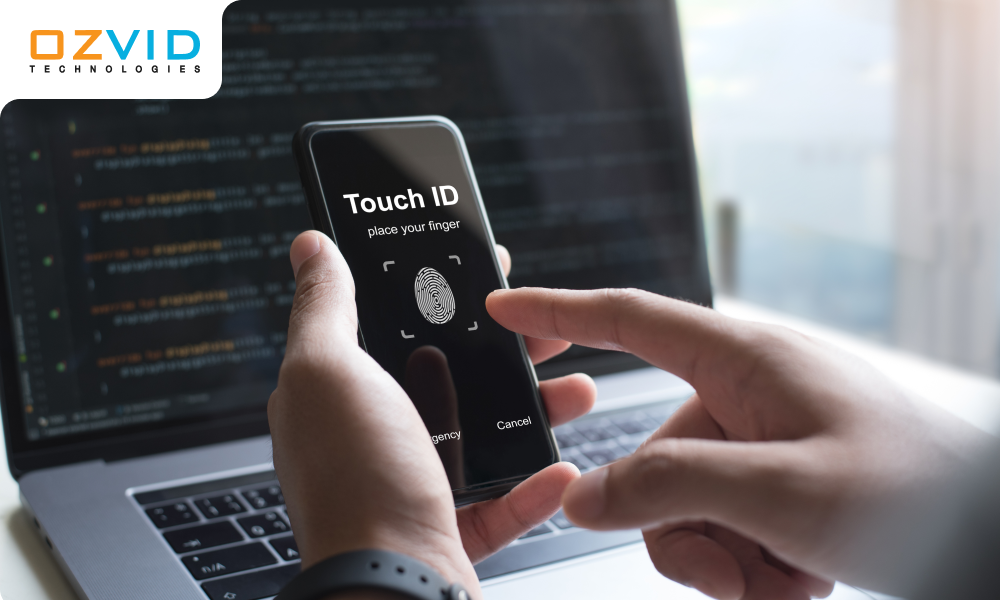
Biometric technology is transforming how businesses approach security, authentication, and user experience. From unlocking smartphones with a fingerprint to securing financial transactions with facial recognition, biometric systems are becoming an integral part of modern digital ecosystems. As organizations seek more secure and efficient ways to manage identity verification, the demand for custom biometric software development continues to grow rapidly
According to a report, the biometric system market size is projected to reach USD 95.14 billion by 2030, growing at a CAGR of 12.3%. This significant growth reflects how industries such as healthcare, banking, retail, and government are increasingly adopting biometric solutions to enhance security and streamline operations.
Key Highlights
- Biometric software enhances security by using unique human traits that are difficult to replicate or steal.
- The market is growing rapidly, expected to reach USD 95.14 billion by 2030.
- Custom solutions offer better scalability, flexibility, and integration compared to ready-made software.
- Development costs vary widely depending on complexity, features, and technologies used.
- Biometric systems improve user experience by enabling faster and frictionless authentication.
- Industries such as healthcare, finance, and government are leading adopters of biometric technology.
What is Custom Biometric Software Development?
Custom biometric software development refers to designing and building tailored solutions that use unique biological or behavioral characteristics, such as fingerprints, facial patterns, voice, iris, or even typing behavior, to authenticate and identify individuals.
Unlike off-the-shelf solutions, custom biometric systems are built specifically to meet the unique requirements of a business. This ensures better integration, higher security standards, scalability, and improved user experience.
Custom Biometric Software Development Cost
The cost of custom biometric software development can vary significantly depending on multiple factors such as the complexity of the system, type of biometric technology (fingerprint, facial recognition, iris, etc.), level of customization, and integration requirements. Since biometric systems often involve sensitive data and advanced technologies like AI and machine learning, their development tends to be more complex - and therefore more expensive - than standard software solutions.
Cost Component | Estimated Cost (USD) | Description |
|---|---|---|
Basic Biometric Solution | $10,000 – $30,000 | Simple systems like fingerprint attendance or basic authentication apps |
Medium Complexity System | $30,000 – $80,000 | Includes facial recognition, cloud integration, and moderate customization |
Advanced Biometric Platform | $80,000 – $200,000+ | Multi-modal systems with AI/ML, real-time analytics, and enterprise-grade security |
UI/UX Design | $5,000 – $20,000 | Custom user interfaces and user experience design |
API & Third-Party Integration | $5,000 – $25,000 | Integration with CRM, ERP, payment systems, or government databases |
AI/ML Model Development | $10,000 – $50,000+ | Training and implementing biometric recognition algorithms |
Cloud Infrastructure | $3,000 – $15,000/year | Hosting, storage, and real-time data processing |
Security & Compliance | $5,000 – $40,000+ | Encryption, audits, GDPR/HIPAA compliance, penetration testing |
Maintenance & Support | 15–25% of total cost annually | Updates, bug fixes, monitoring, and scaling |
Features of Custom Biometric Software Development
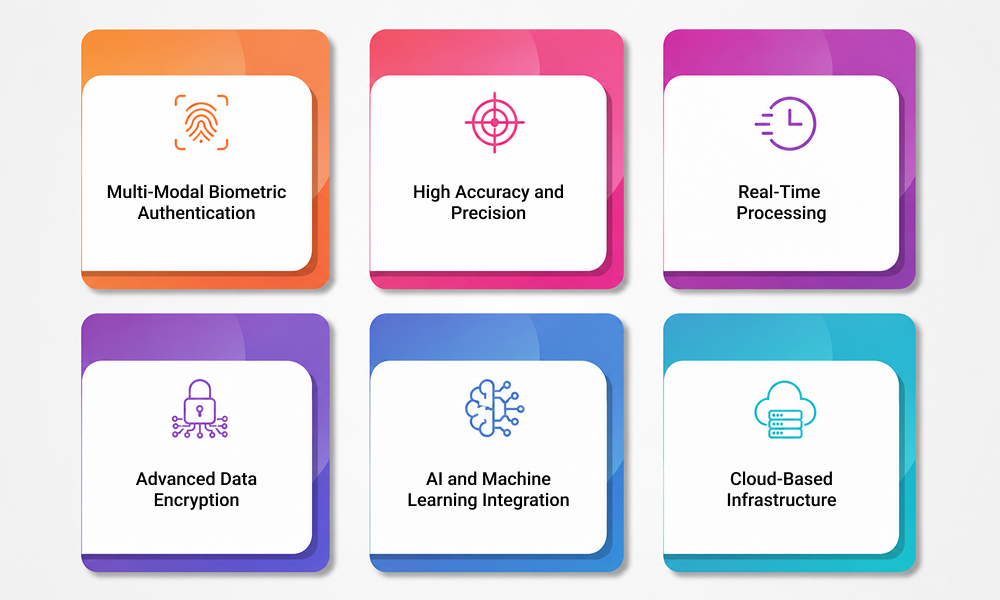
Custom biometric software development goes far beyond basic authentication. It involves building intelligent, secure, and scalable systems tailored to specific business needs. These solutions are designed to deliver accuracy, speed, and reliability while ensuring data protection and seamless user experiences. Below is an in-depth look at the key features that define a robust custom biometric system.
1. Multi-Modal Biometric Authentication
One of the most powerful features of modern biometric software is multi-modal authentication, which combines two or more biometric identifiers such as fingerprint, facial recognition, iris scanning, or voice recognition. This layered approach significantly enhances security by reducing dependency on a single data point.
2. High Accuracy and Precision
Custom biometric systems are built with advanced algorithms that ensure high levels of accuracy and precision in identifying individuals. These algorithms are trained using large datasets and optimized to minimize false acceptance rates (FAR) and false rejection rates (FRR).
3. Real-Time Processing
Speed is a critical factor in biometric systems, especially in applications like financial transactions, access control, or attendance tracking. Custom solutions are designed to process biometric data in real time, enabling instant authentication. This reduces wait times and enhances user convenience, making the system both efficient and user-friendly.
4. Advanced Data Encryption
Since biometric data is highly sensitive, custom software incorporates robust encryption techniques to protect it from unauthorized access. Data is encrypted both at rest and in transit using advanced protocols such as AES and SSL/TLS. Additionally, biometric templates are often stored instead of raw data, further enhancing security.
5. AI and Machine Learning Integration
Artificial Intelligence (AI) and Machine Learning (ML) play a significant role in enhancing biometric systems. These technologies enable the software to learn from user behavior and improve its recognition capabilities over time.
6. Cloud-Based Infrastructure
Custom biometric solutions often leverage cloud technology to provide centralized data storage and management. Cloud integration allows businesses to access biometric systems remotely, making it easier to manage users across multiple locations.
Steps to Develop a Custom Biometric Software
Developing custom biometric software involves a structured and security-focused approach to ensure accuracy, reliability, and compliance. Since biometric systems deal with sensitive personal data, each stage - from planning to deployment - must be carefully executed. A well-defined development process helps businesses build scalable, secure, and high-performing biometric solutions tailored to their unique needs.
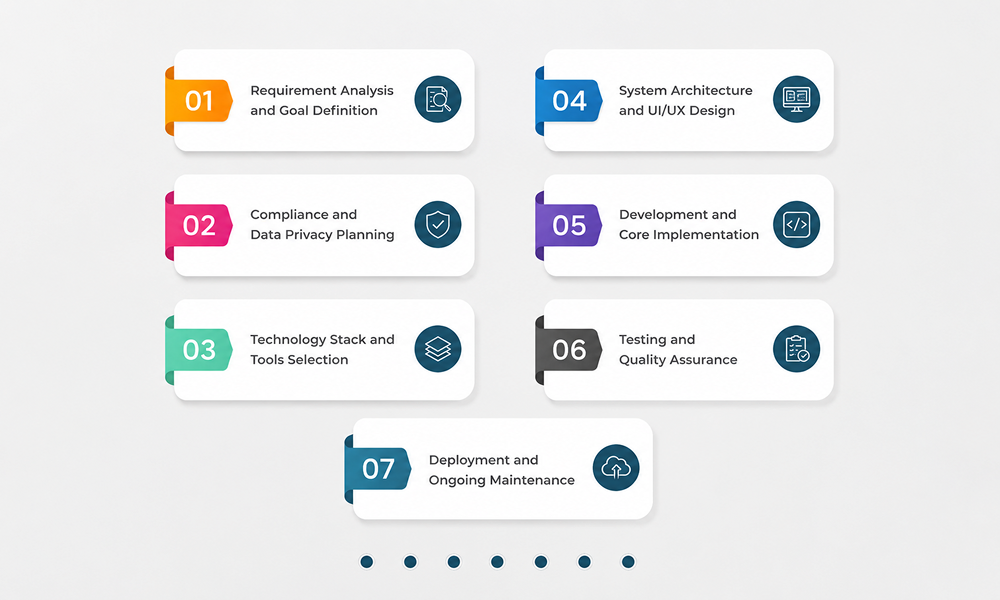
1. Requirement Analysis and Goal Definition
Understanding business needs is the first and most critical step in developing a biometric system. This phase ensures that the solution is aligned with the organization’s objectives and user expectations.
- Identify the core purpose such as authentication, access control, or fraud prevention
- Determine the target users and expected system usage
- Choose suitable biometric modalities like fingerprint, face, or voice
- Define performance expectations, accuracy levels, and security requirements
2. Compliance and Data Privacy Planning
Biometric systems must comply with strict data protection regulations due to the sensitive nature of user data. Planning for compliance early avoids legal and operational risks.
- Identify applicable regulations such as GDPR, HIPAA, or local data laws
- Define user consent and data collection policies
- Plan secure data storage and encryption strategies
- Ensure transparency in how biometric data is used and managed
3. Technology Stack and Tools Selection
Choosing the right technologies ensures the system is efficient, scalable, and future-ready. This step impacts development speed, performance, and integration capabilities.
- Select programming languages, frameworks, and biometric SDKs
- Choose AI/ML tools for recognition and pattern analysis
- Decide between cloud-based or on-premise infrastructure
- Ensure compatibility with hardware devices like scanners and cameras
4. System Architecture and UI/UX Design
A well-designed system architecture ensures smooth performance, while a user-friendly interface improves adoption and usability.
- Design scalable system architecture for handling large datasets
- Plan secure database structures for biometric templates
- Create intuitive UI/UX for seamless user interaction
- Optimize workflows for fast and frictionless authentication
5. Development and Core Implementation
This is the stage where the actual biometric system is built, including all functionalities and integrations. The focus is on performance, accuracy, and reliability.
- Develop biometric data capture and processing modules
- Implement matching algorithms for identification and verification
- Integrate AI and machine learning for continuous improvement
- Build APIs for integration with existing enterprise systems
6. Testing and Quality Assurance
Thorough testing ensures the system performs accurately under different conditions and minimizes errors like false acceptance or rejection.
- Perform functional, performance, and security testing
- Test accuracy levels including FAR and FRR metrics
- Conduct real-world scenario testing for reliability
- Fix bugs and optimize system performance before deployment
7. Deployment and Ongoing Maintenance
After successful testing, the system is deployed and continuously monitored to ensure long-term performance and security.
- Deploy the software in a secure production environment
- Monitor system performance and user activity
- Provide regular updates and security patches
- Scale the system as business needs grow and evolve
Key Benefits of Custom Biometric Software Development
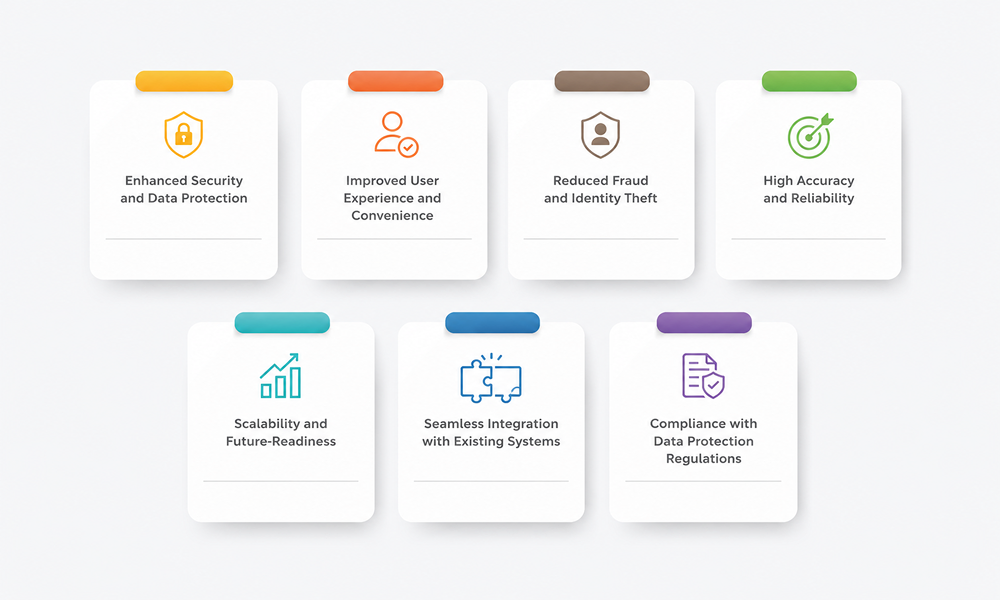
Custom biometric software development offers far more than just secure login capabilities, it enables businesses to build intelligent, scalable, and future-ready systems tailored to their exact operational needs. By leveraging unique human characteristics for authentication, organizations can achieve a higher level of security, efficiency, and user satisfaction. Below is an expanded and in-depth look at the key benefits of custom biometric software development.
1. Enhanced Security and Data Protection
One of the most significant advantages of biometric software is its ability to provide superior security compared to traditional authentication methods like passwords or PINs. Biometric identifiers such as fingerprints, facial patterns, and iris scans are unique to each individual and extremely difficult to replicate.
2. Improved User Experience and Convenience
Biometric authentication simplifies the user journey by eliminating the need to remember complex passwords or carry physical tokens. Users can access systems quickly using a fingerprint, face scan, or voice command, resulting in a seamless and frictionless experience.
3. Reduced Fraud and Identity Theft
Fraud prevention is a critical concern for modern businesses, especially in sectors like finance, insurance, and online retail. Biometric systems significantly reduce the risk of identity theft because biometric traits cannot be easily stolen, guessed, or shared.
4. High Accuracy and Reliability
Custom biometric systems are built using advanced algorithms that deliver high accuracy in identifying and verifying users. These systems are designed to minimize false acceptance rates (allowing unauthorized users) and false rejection rates (denying access to legitimate users).
5. Scalability and Future-Readiness
One of the biggest advantages of custom biometric software is its ability to scale with your business. Whether you are a startup or a large enterprise, the system can be expanded to accommodate more users, devices, or locations without major disruptions.
6. Seamless Integration with Existing Systems
Custom biometric software can be easily integrated with existing enterprise systems such as CRM, ERP, HRMS, and mobile applications. This ensures smooth workflows and eliminates the need for separate authentication systems.
7. Compliance with Data Protection Regulations
With increasing concerns around data privacy, businesses must comply with various regulations such as GDPR, HIPAA, and other regional laws. Custom biometric software can be designed to meet these compliance requirements by implementing features like data encryption, user consent management, and secure storage.
Types of Biometric Software
Biometric software can be broadly classified based on the type of human characteristics it uses for identification and authentication. These characteristics are generally divided into two categories: physiological biometrics (based on physical traits like fingerprints or facial features) and behavioral biometrics (based on patterns such as voice, typing rhythm, or movement).
Each type of biometric software comes with its own strengths, limitations, and ideal use cases. Choosing the right type depends on factors such as the level of security required, user convenience, environmental conditions, and industry-specific needs. Many modern systems also combine multiple biometric methods to create more secure and reliable multi-modal solutions.
Below is a detailed overview of the most commonly used types of biometric software:
Type of Biometric Software | Category | Description | Common Use Cases |
|---|---|---|---|
Fingerprint Recognition | Physiological | Uses unique patterns of ridges and valleys on a person’s fingertip for identification. It is one of the most widely adopted and cost-effective biometric methods. | Smartphones, attendance systems, access control |
Facial Recognition | Physiological | Analyzes facial features such as distance between eyes, nose shape, and jawline using AI algorithms. Works well with cameras and contactless systems. | Mobile apps, surveillance, airport security |
Iris Recognition | Physiological | Scans the unique patterns in the colored part of the eye (iris). Known for its high accuracy and reliability in secure environments. | Government ID systems, border control |
Retina Recognition | Physiological | Maps the blood vessel patterns in the retina at the back of the eye. Extremely accurate but requires specialized hardware. | Military, high-security facilities |
Voice Recognition | Behavioral | Identifies individuals based on voice patterns, tone, and speech characteristics. Can be used remotely via phone or voice-enabled devices. | Banking, customer support, virtual assistants |
Palm/Hand Geometry | Physiological | Measures the shape, size, and structure of the hand or palm. Less precise than fingerprint or iris but useful for quick identification. | Time attendance, physical access systems |
Signature Recognition | Behavioral | Analyzes the way a person signs, including speed, pressure, and stroke order. | Banking, document verification |
Behavioral Biometrics | Behavioral | Tracks user behavior such as typing speed, mouse movements, or touchscreen interactions for continuous authentication. | Fraud detection, cybersecurity systems |
DNA Recognition | Physiological | Uses genetic information for identification. Highly accurate but expensive and time-consuming. | Forensics, law enforcement |
Gait Recognition | Behavioral | Identifies individuals based on their walking style and body movement patterns. | Surveillance, security monitoring |
Choose OZVID Technologies as Custom Biometric Software Development Company
Selecting the right development partner is crucial when building a secure and scalable biometric solution. OZVID Technologies stands out as a trusted custom biometric software development company, offering expertise in advanced technologies, industry-specific solutions, and end-to-end development services. With a strong focus on security, innovation, and performance, OZVID helps businesses implement reliable biometric systems tailored to their unique requirements.
- Expertise in developing advanced biometric solutions using AI, machine learning, and modern frameworks
- Customized solutions designed to meet specific business needs and industry requirements
- Strong focus on data security with encryption, compliance, and secure architecture practices
- Experience in integrating biometric systems with CRM, ERP, HRMS, and mobile applications
- Scalable and future-ready solutions that grow with your business and user base
- Dedicated team of skilled developers, designers, and technology experts
- End-to-end development services from consultation and design to deployment and maintenance
- Proven track record of delivering high-quality, reliable, and performance-driven software solutions
Conclusion
At OZVID Technologies, we understand that security, user experience, and scalability are critical pillars for any modern digital solution. Custom biometric software development empowers businesses to move beyond traditional authentication methods and adopt highly secure, intelligent, and future-ready systems tailored to their specific needs.
With the rapid growth of biometric technologies and increasing concerns around data security, investing in a customized biometric solution is no longer optional - it’s a strategic necessity. From enhancing user trust to reducing fraud and streamlining operations, biometric systems offer long-term value across industries.
Partner with OZVID Technologies to build innovative biometric solutions that not only protect your data but also elevate your digital experience. Contact us to learn more.
Frequently Asked Questions
1. What are the key components of a biometric system architecture?
A biometric system is built using multiple interconnected components that work together to capture, process, and verify user identity securely and efficiently.
- Data acquisition layer captures biometric input like fingerprint, face, or voice
- Processing unit converts raw data into digital biometric templates
- Matching engine compares input data with stored records
- Database securely stores encrypted biometric templates
2. How does AI improve biometric authentication systems?
- Artificial Intelligence enhances biometric systems by increasing accuracy, adaptability, and the ability to handle complex real-world scenarios.
- Improves pattern recognition using deep learning models
- Reduces false acceptance and rejection rates
- Enables adaptive learning from user behavior over time
- Supports advanced features like liveness detection and fraud prevention
3. How much does it cost to develop custom biometric software?
The cost depends on the complexity, features, and type of biometric system you want to build. Simple solutions are more affordable, while advanced systems require higher investment.
- Basic systems start from around $10,000
- Medium complexity ranges between $30,000–$80,000
- Advanced solutions can exceed $100,000
- Ongoing costs include maintenance and cloud services
4. What is multi-modal biometric authentication and why is it important?
Multi-modal biometric authentication uses more than one biometric trait to verify identity, making systems more secure and reliable.
- Combines multiple identifiers like face and fingerprint
- Enhances security by reducing dependency on a single factor
- Improves accuracy in diverse environmental conditions
- Minimizes risks of spoofing and identity fraud
5. How is biometric data stored securely in modern systems?
Biometric data security is a top priority, and modern systems use advanced techniques to protect sensitive user information.
- Stores data as encrypted biometric templates instead of raw images
- Uses strong encryption protocols like AES and SSL/TLS
- Implements access control and authentication layers
- Regular audits and monitoring ensure data protection
6. What industries benefit most from advanced biometric solutions?
Biometric technology is widely adopted across industries where security, identity verification, and efficiency are critical.
- Banking and finance for secure transactions and fraud prevention
- Healthcare for patient identification and data protection
- Government for national ID and surveillance systems
- Retail and enterprises for access control and workforce management
7. What future trends will shape biometric software development in 2026 and beyond?
Biometric technology continues to evolve with innovations that enhance security, usability, and integration capabilities.
- Rise of contactless biometrics like facial and voice recognition
- Integration with IoT and smart devices for seamless access
- Increased use of behavioral biometrics like typing patterns
- Stronger focus on privacy-preserving technologies and compliance
8. Is biometric authentication safer than passwords?
Yes, biometric authentication is generally more secure than traditional passwords because biometric traits are unique and cannot be easily guessed, shared, or stolen.
- Eliminates risks of weak or reused passwords
- Difficult to replicate or forge biometric traits
- Often combined with multi-factor authentication
- Includes advanced security features like liveness detection
9. How long does it take to develop a custom biometric software?
The time to develop custom biometric software depends on the complexity, features, and level of integration required. While basic solutions can be built relatively quickly, advanced systems with AI capabilities and multi-modal authentication take more time to design, develop, and test.
- Basic biometric systems may take around 2–4 months to develop
- Medium-complexity solutions typically require 4–8 months
- Advanced systems with AI, multi-modal features, and integrations can take 8–12+ months
- Timelines also depend on testing, compliance approvals, and deployment requirements