The global ERP software market is set for remarkable growth, expanding from $92.6 billion at a projected CAGR of 13% between 2026 and 2034. This rapid rise highlights the increasing demand for intelligent business management solutions like Odoo, which help organizations streamline operations, improve efficiency, and accelerate digital transformation across industries.
What turns an ordinary factory into a high-performing manufacturing powerhouse? Is it advanced machinery, skilled workers, or faster production lines? While all of these matter, the real difference often lies in how efficiently every process is connected, managed, and optimized.
Modern manufacturing is no longer just about producing goods - it is about controlling costs, reducing delays, maintaining quality, managing inventory, tracking operations in real time, and meeting customer expectations faster than ever before. Factories that still rely on disconnected systems, spreadsheets, or manual workflows often struggle with inefficiencies, errors, and slow decision-making.
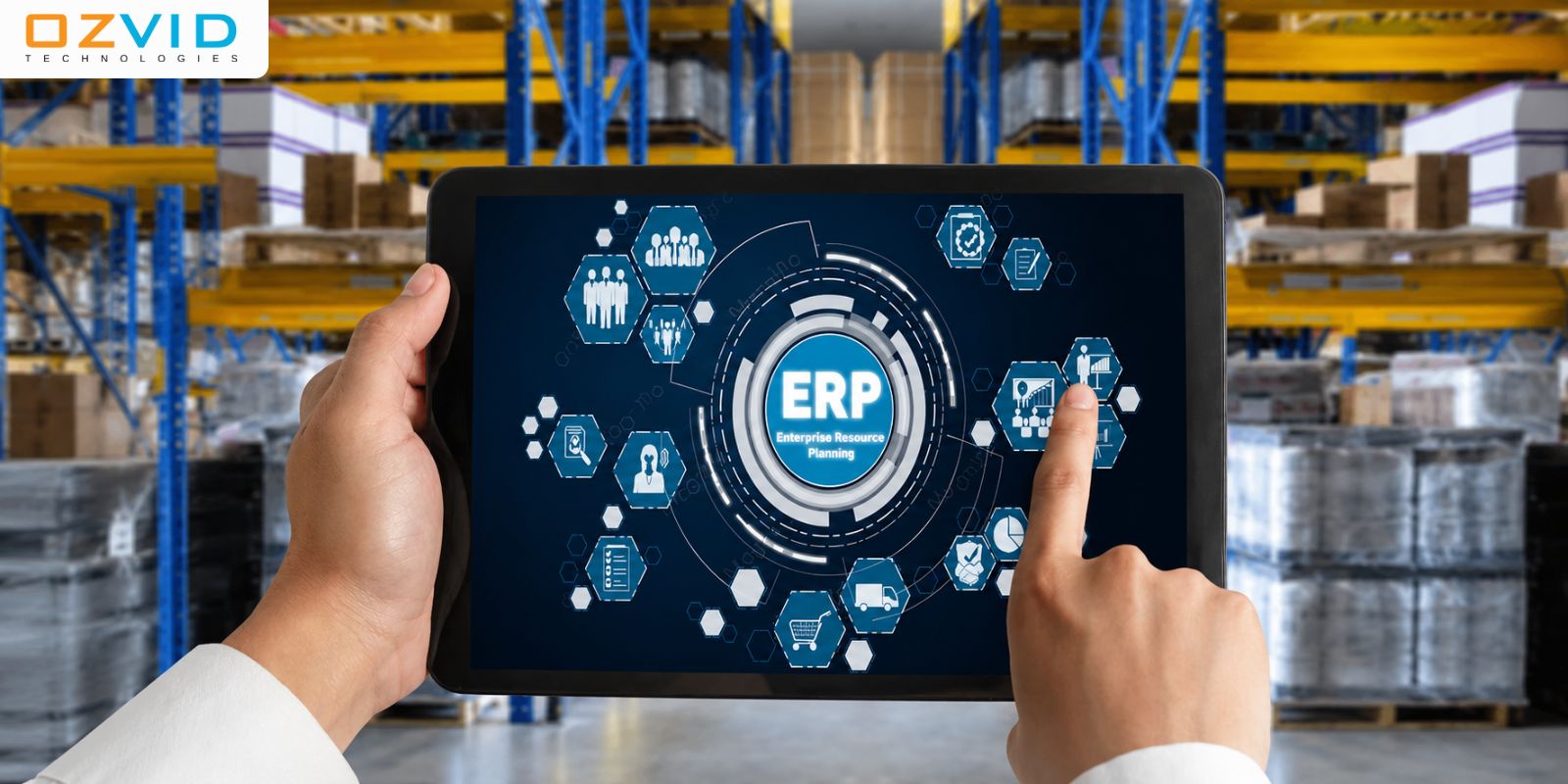
This is where Odoo ERP for Manufacturing becomes a game-changing solution. Designed to streamline every aspect of factory operations, Odoo helps manufacturers unify production planning, inventory control, procurement, maintenance, quality checks, accounting, and sales into one powerful platform.
Key Takeaways
- Odoo ERP centralizes all manufacturing operations into one integrated platform.
- It improves production planning, inventory management, and workflow automation.
- Manufacturers can reduce operational costs and increase efficiency with real-time insights.
- Odoo is scalable, customizable, and suitable for both SMEs and large enterprises.
- Future-ready features like AI, IoT, and predictive analytics make Odoo ideal for modern factories.
Understanding Odoo ERP in Manufacturing
Odoo ERP is an all-in-one business management software that offers specialized modules for manufacturing companies. It is built to help factories manage production processes efficiently while connecting departments such as procurement, warehouse, finance, HR, maintenance, and customer management.
In manufacturing, multiple operations happen simultaneously - raw materials need to be sourced, machines must be available, workers need schedules, quality must be checked, and finished goods must be delivered on time. Managing these moving parts manually can lead to delays and confusion.
Odoo ERP solves this challenge by bringing all data and workflows into one centralized system. With real-time dashboards and automated processes, manufacturers gain full visibility into operations. Teams can track materials, production orders, work center capacity, stock levels, delivery timelines, and costs without switching between systems.
Odoo is especially valuable because it is modular. Manufacturers can start with essential apps such as Manufacturing, Inventory, and Purchase, then expand later into CRM, Accounting, HR, or eCommerce as the business grows. This flexibility makes Odoo an ideal ERP solution for factories looking to modernize without overspending on overly complex systems.
Core Features of Odoo ERP in Manufacturing Sector
Here are the core features of Odoo ERP in Manufacturing sector:
1. Advanced Manufacturing Management
Odoo provides a complete manufacturing management system that helps businesses plan, organize, and execute production activities efficiently. Manufacturers can create production orders, assign resources, track progress, and monitor timelines from a centralized dashboard. This ensures smoother workflows, improved coordination, and faster order completion.
2. Bill of Materials (BoM) Management
The Bill of Materials feature allows manufacturers to define every raw material, component, and subassembly required to produce finished goods. Odoo supports single-level and multi-level BoMs, making it ideal for businesses with simple or complex product structures. This helps maintain production accuracy and cost control.
3. Work Orders and Shop Floor Operations
Odoo simplifies shop floor management by generating work orders for different production stages. Employees can view tasks, update progress, and complete operations in real time. Managers gain full visibility into each production line, helping reduce delays and improve labor productivity.
4. Smart Inventory and Warehouse Management
Inventory is one of the most critical parts of manufacturing, and Odoo offers advanced inventory and warehouse management software tools to manage stock efficiently. Businesses can track raw materials, work-in-progress goods, and finished products across multiple warehouses. Automated reordering rules prevent shortages while reducing excess inventory costs.
5. Procurement and Vendor Management
Odoo connects manufacturing with purchasing processes to ensure materials are available when needed. The system can automatically generate purchase orders based on stock levels or production demand. It also helps businesses manage suppliers, compare vendor pricing, and improve procurement efficiency.
6. Production Planning and Scheduling
Manufacturers can use Odoo to create accurate production schedules based on available resources, machine capacity, and customer demand. This prevents bottlenecks, reduces downtime, and improves delivery timelines. Smart scheduling ensures better utilization of equipment and workforce.
7. Quality Control and Compliance
Odoo enables manufacturers to maintain consistent product quality through inspection points, quality checks, and alerts. Businesses can perform tests during production or before dispatch to ensure standards are met. This minimizes defects, returns, and customer complaints.
8. Equipment Maintenance Management
Machine downtime can be expensive for factories. Odoo includes preventive and corrective maintenance features that help businesses schedule servicing, track breakdowns, and improve equipment reliability. This increases production continuity and extends machine life.
Key Benefits of Odoo Manufacturing ERP Solutions
Odoo ERP in Manufacturing offer a powerful way to streamline operations, improve productivity, and gain complete control over your manufacturing processes. Here are the key benefits:
1. Improved Operational Efficiency
Odoo automates repetitive tasks such as production planning, stock updates, procurement requests, invoicing, and reporting. This reduces manual workload, minimizes errors, and helps teams focus on high-value tasks. As a result, operations become faster, smoother, and more efficient.
2. Better Inventory Control
With real-time inventory tracking, manufacturers always know what materials are available, what is in production, and what is ready for delivery. This reduces stock shortages, avoids over-purchasing, and ensures uninterrupted production cycles.
3. Faster Production Planning
Odoo enables accurate production scheduling based on sales orders, stock availability, and machine capacity. Businesses can respond quickly to customer demand while minimizing delays and idle resources. This improves delivery performance and customer satisfaction.
4. Enhanced Product Quality
Built-in quality management tools allow manufacturers to perform inspections at every production stage. Early detection of defects reduces waste, lowers rework costs, and ensures customers receive reliable products that meet expectations.
5. Reduced Costs and Higher Profitability
By optimizing inventory, reducing waste, automating workflows, and improving productivity, Odoo helps businesses lower operational expenses. Better cost visibility also allows management to improve pricing strategies and increase profit margins.
6. Real-Time Business Visibility
Odoo gives managers access to live dashboards and reports covering production, sales, purchasing, finance, and inventory. This transparency supports faster and smarter decision-making based on accurate data rather than guesswork.
Why choose Odoo ERP for Your Manufacturing Business?
Choosing the right ERP system is one of the most important decisions for any manufacturer. Odoo stands out because it combines affordability, functionality, and flexibility in one platform. Unlike traditional ERP systems that require expensive licenses and long implementation timelines, Odoo offers a cost-effective and modular approach. Businesses only pay for what they need and can scale gradually.
Odoo also has a user-friendly interface, making adoption easier for teams. Employees can quickly learn how to use dashboards, workflows, and mobile-friendly tools.
Odoo Implementation Tips for Manufacturers
Implementing Odoo ERP in a manufacturing business is a strategic step that can transform production efficiency, inventory control, and overall operations. However, successful implementation requires proper planning, the right approach, and expert execution. Manufacturers must focus on aligning the ERP system with business goals, production workflows, and long-term growth plans. Below are important Odoo implementation tips to ensure a smooth and successful deployment.
1. Define Clear Business Objectives
Before starting implementation, manufacturers should clearly identify what they want to achieve with Odoo ERP. Some businesses may aim to improve production planning, while others may want better inventory management, automated procurement, reduced downtime, or accurate financial reporting. Defining measurable goals helps shape the implementation roadmap and ensures the ERP system delivers real value.
2. Analyze Existing Manufacturing Processes
It is important to review current workflows before moving to Odoo. Manufacturers should evaluate production planning methods, warehouse management, purchase cycles, quality checks, machine maintenance, and reporting systems. Identifying bottlenecks, delays, and inefficiencies allows businesses to configure Odoo in a way that solves real operational challenges.
3. Choose the Right Odoo Modules
Odoo offers multiple modules, so manufacturers should start with the ones most relevant to their operations. Commonly used modules include Manufacturing, Inventory, Purchase, Sales, Accounting, Quality, and Maintenance. Starting with essential modules helps businesses implement faster and avoid unnecessary complexity during the first phase.
4. Work with an Experienced Odoo Implementation Partner
Selecting the right implementation company is one of the most important decisions. Manufacturers should choose an Odoo partner with experience in ERP development and manufacturing workflows. A skilled partner understands factory operations, custom requirements, integrations, and best practices, which leads to a smoother deployment and better results.
5. Customize Only Where Necessary
Odoo is highly flexible and already includes many built-in features. Manufacturers should avoid unnecessary customization in the early stages. Excessive customization can increase cost, extend timelines, and complicate future upgrades. It is better to use standard features wherever possible and customize only where business-critical needs exist.
Odoo ERP Integration Cost
The cost of Odoo ERP development for manufacturing businesses depends on several factors such as business size, number of users, required modules, customization level, integrations, deployment type, and post-launch support. Odoo is considered one of the most cost-effective ERP solutions because businesses can start with core modules and expand as they grow. However, the total investment is not limited to software licensing alone. It often includes implementation, customization, data migration, employee training, testing, and ongoing maintenance.
For small manufacturers with standard workflows, the cost is usually lower because they can use ready-made modules with minimal customization. Mid-sized businesses often require advanced inventory control, production planning, barcode systems, and custom reports, which increases the budget. Large enterprises with multiple plants, warehouses, or complex production processes may need deep customization, integrations, and phased rollouts, resulting in higher implementation costs.
Industry estimates commonly show implementation services making up a major share of ERP budgets, often more than software subscription costs. Real-world 2026 guides also note that small deployments can start in the lower five figures, while complex enterprise projects may reach six figures or more depending on scope.
Business Size | Estimated Development Cost | Suitable Scope |
|---|---|---|
Small Manufacturing Business | $5,000 – $15,000 | Basic setup, standard modules, limited customization |
Growing Mid-Sized Manufacturer | $15,000 – $40,000 | Custom workflows, reporting, inventory automation |
Large Manufacturing Enterprise | $40,000 – $100,000+ | Multi-location setup, advanced integrations, enterprise automation |
Factors Affecting Odoo ERP Integration Cost
The cost of developing and implementing Odoo ERP can vary significantly from one manufacturing business to another. Some companies may require only standard modules with minimal setup, while others need advanced customization, integrations, and enterprise-level deployment.
1. Number of Modules Required
Odoo offers a wide range of modules such as Manufacturing, Inventory, Purchase, Sales, Accounting, CRM, HR, Quality, Maintenance, and eCommerce. The more modules a business needs, the higher the implementation cost will be. Each module requires configuration, testing, user permissions, and workflow setup. A company using only Manufacturing and Inventory will spend less than one implementing ten fully connected modules.
2. Level of Customization
Every manufacturing business has unique processes, approval flows, reporting structures, and operational requirements. If standard Odoo features are enough, costs remain lower. However, when businesses need custom dashboards, unique workflows, advanced automation, or tailor-made applications, development time increases. The more customization required, the higher the overall cost.
3. Number of Users
The number of employees using the ERP system also impacts project cost. More users often mean additional licensing costs (depending on edition), more user roles, security settings, training sessions, and support requirements. Large organizations with multiple departments usually require broader access management and structured onboarding.
4. Business Size and Operational Complexity
A small manufacturing unit with one warehouse and simple production cycles is easier to implement than a large enterprise with multiple plants, warehouses, departments, and production lines. Businesses with complex supply chains, multi-stage manufacturing, subcontracting, or international operations typically require more planning and advanced configurations.
5. Data Migration Requirements
Many manufacturers move to Odoo from spreadsheets, outdated ERP systems, or manual records. Migrating data such as products, stock balances, vendor details, customer records, Bills of Materials, accounting entries, and historical transactions requires time and expertise.
The Future of Odoo ERP in Manufacturing
The future of manufacturing is being shaped by automation, smart technologies, connected systems, and real-time decision-making. As factories continue to modernize, ERP solutions must evolve beyond basic resource planning and become intelligent platforms that drive efficiency, agility, and innovation. Odoo ERP is well-positioned for this transformation because of its flexible architecture, modular ecosystem, and continuous product updates.
1. AI-Powered Production Planning
Artificial Intelligence is expected to play a major role in the future of Odoo ERP. Manufacturers will increasingly use AI-based forecasting tools to predict demand, optimize production schedules, and recommend purchasing decisions. Instead of relying only on historical data and manual planning, factories will be able to make smarter decisions faster.
2. IoT-Enabled Smart Factories
The rise of Industry 4.0 means machines, sensors, and devices are becoming connected. Odoo ERP is expected to expand its IoT integration capabilities, allowing manufacturers to monitor equipment performance, machine output, temperature, downtime, and maintenance needs in real time.
3. Predictive Maintenance for Equipment
Traditional maintenance models fix machines after breakdowns occur, often causing delays and costly downtime. The future of Odoo in manufacturing includes predictive maintenance, where ERP systems use machine data and usage patterns to identify potential failures before they happen.
4. Real-Time Analytics and Smarter Dashboards
Manufacturers need fast access to accurate business data. Odoo is expected to continue improving dashboards and business intelligence tools, giving managers real-time visibility into production efficiency, stock movement, wastage, profitability, and delivery timelines.
5. Cloud-Based Manufacturing ERP Growth
Cloud adoption continues to rise because businesses want flexibility, remote access, faster deployment, and lower infrastructure costs. Odoo’s future in manufacturing includes stronger cloud and hybrid deployment models, helping factories operate across multiple locations while keeping teams connected through one system.
Conclusion
Being an expert in Odoo ERP integration, OZVID Technologies understands that modern manufacturers need more than just software - they need a complete digital transformation partner. Odoo ERP offers everything a factory needs to streamline operations, improve productivity, reduce costs, and scale with confidence.
From production planning and inventory control to procurement, quality checks, and real-time reporting, Odoo empowers manufacturers to compete in a fast-changing industrial world. With the right implementation strategy and expert customization, businesses can unlock the full potential of smart manufacturing.
If you are ready to modernize your factory operations, OZVID Technologies can help you build a custom Odoo ERP solution designed for long-term success. Contact us for more information.
Frequently Asked Questions
1. What is Odoo ERP, and how does it help manufacturing businesses?
Odoo ERP is an integrated business management software that helps manufacturers manage production, inventory, purchasing, accounting, sales, quality control, and maintenance within one centralized platform. Instead of using multiple disconnected systems, manufacturers can run all core operations through a single solution.
2. Is Odoo ERP suitable for small and medium-sized manufacturing companies?
Yes, Odoo ERP is highly suitable for small and medium-sized manufacturers because it is modular, scalable, and cost-effective. Businesses can start with essential modules such as Manufacturing, Inventory, and Purchase, then add more features as they grow.
3. Can Odoo ERP manage multiple factories or warehouse locations?
Yes, Odoo ERP supports multi-location and multi-company operations. Manufacturers with multiple factories, warehouses, or branches can manage stock transfers, centralized purchasing, production planning, and reporting across all locations from one platform. This is especially useful for growing businesses that need better control over distributed operations.
4. How long does Odoo ERP implementation take for a manufacturing business?
The implementation timeline depends on the size of the company, number of modules, level of customization, and data migration requirements. A small manufacturing business with standard workflows may take a few weeks, while mid-sized and large enterprises may require several months.
5. Can Odoo ERP be customized according to manufacturing needs?
Yes, one of the biggest advantages of Odoo ERP is its customization flexibility. Manufacturing businesses can customize workflows, approval systems, dashboards, reports, user permissions, production routes, and automation rules according to their specific operational needs. This ensures the software matches the business instead of forcing the business to adapt to rigid systems.