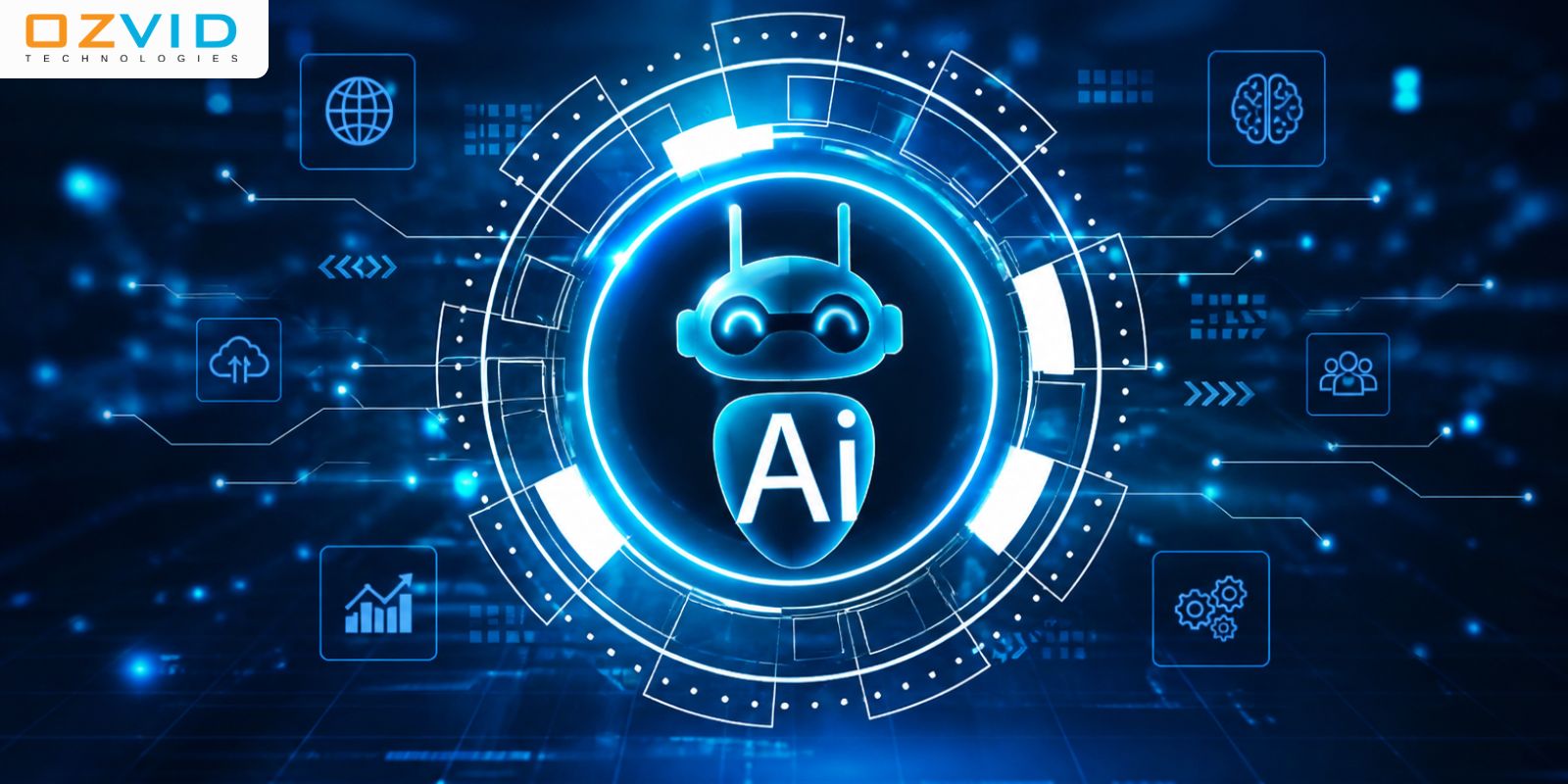
Artificial Intelligence (AI) is rapidly changing the way mobile and web applications are built, used, and scaled. Businesses today are no longer relying only on traditional app features. Instead, they are integrating AI-powered capabilities such as chatbots, recommendation engines, predictive analytics, voice assistants, fraud detection, and automation tools to create smarter and more engaging user experiences.
The market growth clearly reflects this trend. The global AI apps market size is projected to reach USD 26,362.4 million by 2030, growing at a CAGR of 38.7% from 2025 to 2030. This indicates strong business confidence in AI-driven mobile and web solutions across industries. However, successful AI integration requires more than simply adding a smart feature to an app. It involves selecting the right use cases, preparing quality data, choosing suitable tools, building or integrating models, and continuously optimizing performance.
In this guide, we will explain how to integrate AI in apps step by step, along with benefits, key features, strategies, challenges, and real-world use cases. Whether you are a startup or an enterprise, understanding the AI integration process can help you build future-ready applications that stand out in a competitive market.
Key Takeaways
- AI integration makes apps smarter and more engaging with features like chatbots, automation, recommendations, and predictive analytics.
- Choosing the right AI use case is important to solve real business problems such as support, fraud detection, or workflow improvement.
- Quality data is essential for AI success because accurate and clean data improves predictions, insights, and overall performance.
- Start with one high-impact AI feature first to reduce costs, test results quickly, and scale gradually over time.
- AI requires continuous improvement through monitoring, retraining, and updates to stay effective and relevant.
Why AI Integration is Important for Modern Apps
AI integration has become a key factor in building competitive and future-ready mobile and web applications. Modern users expect faster, smarter, and more personalized digital experiences, and AI helps businesses meet these expectations efficiently. By leveraging AI, companies can enhance performance, automate processes, and deliver greater value to users while staying ahead in a rapidly evolving digital landscape.
- Delivers personalized user experiences based on behavior and preferences
- Automates repetitive tasks, saving time and reducing operational costs
- Improves decision-making with real-time data insights and analytics
- Enhances app security through fraud detection and risk monitoring
- Enables 24/7 customer support using chatbots and virtual assistants
- Increases user engagement with smart features like recommendations and predictions
- Provides a competitive advantage by enabling innovation and scalability
Steps to Integrate AI in Apps
1. Identify Business Goals and User Needs
The first step in AI app integration is understanding the purpose behind using AI in your application. A clear strategy ensures that AI solves real business problems and improves user experience effectively.
- Define specific business objectives such as automation or engagement
- Identify user pain points and expectations
- Align AI goals with long-term business strategy
- Set measurable KPIs to track performance and success
2. Select the Right AI Use Case
Choosing the right AI use case ensures maximum impact and efficient implementation. Businesses should focus on solutions that directly support their core objectives.
- Identify AI applications relevant to your industry
- Start with a single high-impact feature
- Evaluate feasibility and expected ROI
- Prioritize use cases that improve user experience
3. Gather and Prepare Data
Data is the foundation of any AI system. Proper data collection and preparation are essential for building accurate and reliable AI models.
- Collect data from multiple relevant sources
- Clean and remove duplicate or inconsistent data
- Standardize formats for better processing
- Ensure data privacy and compliance standards
4. Choose the Right AI Technology Stack
Selecting the appropriate tools and technologies is crucial for successful AI integration. The right stack ensures scalability, performance, and flexibility.
- Evaluate frameworks like TensorFlow and PyTorch
- Consider cloud platforms such as AWS or Google Cloud
- Choose between APIs or custom-built solutions
- Align technology with budget and scalability needs
5. Build or Integrate the AI Model
At this stage, businesses decide whether to develop a custom AI model or use pre-trained solutions. The approach depends on requirements, cost, and timeline.
- Use pre-trained models for faster deployment
- Build custom models for specialized use cases
- Train models using historical data
- Fine-tune models to improve performance
6. Integrate AI into App Architecture
Integration ensures that AI features function smoothly within the application. A well-planned architecture enhances performance and user experience.
- Connect AI models using APIs or SDKs
- Ensure seamless data flow between systems
- Optimize response time and system performance
- Maintain secure communication across platforms
7. Test and Optimize Performance
Testing is essential to ensure AI features work accurately and efficiently. Optimization improves reliability and user satisfaction.
- Test accuracy and response speed
- Evaluate performance under real-world conditions
- Conduct user testing for better experience
- Optimize features based on feedback and results
8. Monitor, Improve, and Scale Continuously
AI systems require ongoing monitoring and updates to remain effective. Continuous improvement ensures long-term success and adaptability.
- Track performance metrics and user engagement
- Retrain models with updated data
- Scale infrastructure based on demand
- Use feedback to enhance future improvements
Benefits of Integrating AI in Apps
1. Personalized User Experiences
AI studies user behavior, preferences, and interactions to deliver customized recommendations, content, and notifications. Personalized experiences make users feel understood and valued. This increases engagement, session duration, repeat visits, and conversion rates while helping businesses create stronger long-term customer relationships through relevant and timely digital experiences.
2. Improved Operational Efficiency
AI automates repetitive tasks such as customer queries, scheduling, data entry, reporting, and workflow approvals. This reduces manual effort, minimizes errors, and saves time. Businesses can focus on strategic growth activities while AI handles routine operations faster and more efficiently than traditional manual processes.
3. Better Decision-Making
AI can analyze large volumes of data in real time and convert them into useful insights. Businesses can understand trends, customer behavior, demand patterns, and risks quickly. These insights support smarter planning, better marketing decisions, optimized pricing, and improved operational strategies with less uncertainty.
4. Enhanced Security and Fraud Detection
AI-powered systems can detect suspicious behavior, unusual login patterns, and fraudulent transactions instantly. This is especially valuable in fintech, banking, and eCommerce apps. Real-time monitoring protects businesses from losses, improves trust, and ensures a safer digital environment for users and transactions.
5. 24/7 Customer Support
AI chatbots and virtual assistants can answer customer questions any time of day without delays. They provide instant responses, resolve common issues, and guide users through processes. This improves customer satisfaction while reducing pressure on support teams and lowering operational support costs.
6. Competitive Business Advantage
Businesses using AI can launch smarter, faster, and more user-friendly apps than competitors. AI helps brands innovate with advanced features, automation, and predictive capabilities. Early adoption improves market positioning, customer loyalty, and growth opportunities in increasingly competitive digital industries.
Top Key Features of AI Apps
1. Smart Recommendations
AI apps can recommend products, videos, services, or content based on user interests and behavior. This improves discovery and user satisfaction while increasing sales or engagement. Recommendation systems are widely used in eCommerce, streaming platforms, travel apps, and digital marketplaces.
2. Natural Language Processing
Natural Language Processing enables apps to understand and respond to human language. It powers chatbots, virtual assistants, sentiment analysis, and smart search tools. NLP creates smoother conversations and more intuitive experiences for users interacting through text or voice commands.
3. Predictive Analytics
Predictive analytics helps apps forecast future outcomes using historical data. It can predict customer churn, sales trends, user behavior, and demand fluctuations. Businesses use this feature to make proactive decisions, reduce risks, and optimize planning strategies more effectively.
4. Voice and Image Recognition
AI-powered recognition tools allow apps to identify faces, objects, documents, or spoken commands. These features are useful in healthcare diagnostics, security systems, retail search, and accessibility-focused applications. They create faster and smarter user interactions across industries.
5. Intelligent Automation
AI automates workflows such as approvals, inventory updates, appointment scheduling, and support ticket handling. Automation reduces delays, cuts human error, and increases productivity. This feature is especially useful for businesses aiming to scale operations without increasing manual workload.
6. Real-Time Insights Dashboard
AI apps often include dashboards that display live analytics, trends, anomalies, and user activity. These dashboards help managers and decision-makers monitor KPIs, understand performance instantly, and take action quickly based on accurate real-time business intelligence.
AI Integration Strategies for Long-Term Success
1. Start with a Minimum Viable AI Model
Begin with one focused AI feature rather than a full-scale implementation. Launching a smaller solution reduces risk, shortens development time, and allows faster testing. Businesses can validate results early before investing in more advanced AI capabilities across the application.
2. Use Pre-Built APIs for Faster Launches
Pre-built AI APIs help businesses integrate chatbots, translation, image recognition, or analytics without building models from scratch. This lowers development costs and accelerates deployment. It is an ideal strategy for startups or businesses needing quick market entry.
3. Develop Custom Models for Unique Needs
Custom AI models are valuable when businesses require industry-specific intelligence or proprietary solutions. They offer better control, higher relevance, and stronger competitive differentiation. This strategy works especially well in finance, healthcare, logistics, and enterprise software.
4. Hybrid Cloud AI Infrastructure
A hybrid model combines cloud-based AI processing with secure internal systems. Sensitive data remains protected on-premise, while cloud resources handle scalability. This strategy balances performance, cost efficiency, flexibility, and compliance for growing organizations.
5. Continuous Model Training
AI systems improve when updated with fresh data regularly. Implement feedback loops and retraining cycles to maintain accuracy over time. Continuous learning ensures the AI solution adapts to changing user behavior, trends, and market conditions.
6. Human Oversight for Critical Decisions
For industries like healthcare, law, or finance, human review remains important. Human-in-the-loop strategies improve trust, reduce bias, and ensure accountability. This approach balances automation with responsible decision-making where accuracy matters most.
Real-world Use Cases for AI Apps
1. eCommerce and Retail
AI helps retailers recommend products, optimize pricing, predict demand, and automate customer support. Personalized shopping experiences improve conversions while inventory forecasting reduces stock shortages and overstocking issues.
2. Healthcare Applications
Healthcare apps use AI for symptom checking, medical image analysis, appointment scheduling, and treatment recommendations. These tools improve efficiency while supporting faster and more informed patient care decisions.
3. Banking and Fintech
AI powers fraud detection, credit scoring, budgeting assistants, and risk analysis in financial apps. Real-time intelligence improves security while helping customers manage finances more effectively.
4. Education Platforms
AI enables personalized learning paths, automated grading, smart tutoring, and progress tracking in education apps. This creates engaging and adaptive learning experiences for students of all levels.
5. Logistics and Transportation
AI optimizes delivery routes, predicts delays, manages fleets, and improves warehouse efficiency. Logistics companies use AI to lower costs and improve delivery speed.
6. Media and Entertainment
Streaming platforms use AI for content recommendations, audience insights, subtitle generation, and trend forecasting. This helps users discover relevant content while increasing engagement.
Conclusion
AI integration is no longer optional for businesses that want to stay competitive in the digital era. From personalization and automation to predictive insights and enhanced security, AI creates measurable value for mobile and web applications across industries. However, successful implementation requires the right strategy, reliable data, scalable technology, and continuous improvement after launch.
OZVID Technologies is a leading AI development company. We specialize in building intelligent, future-ready applications powered by advanced AI solutions. Whether you need chatbot development, recommendation engines, predictive analytics, or complete AI app integration, our expert team delivers scalable and customized solutions tailored to your business goals. If you are ready to transform your app with AI, OZVID Technologies is your trusted technology partner. Contact us to learn more.
Frequently Asked Questions
1. How much does it cost to integrate AI into an app?
The cost of integrating AI into an app depends on the type of features, level of customization, app complexity, and development timeline. Basic AI features such as chatbots or recommendation engines may require a smaller budget, while advanced enterprise solutions with custom models can cost significantly more. Businesses should first define their goals before estimating the total investment. Cost factors include:
- Type of AI feature required
- Custom model or third-party API
- Mobile, web, or cross-platform app
- Data storage and processing needs
- Security and compliance requirements
- Maintenance and future upgrades
2. How long does it take to integrate AI into an app?
The time required to integrate AI into an app depends on the complexity of features, data availability, and the chosen development approach. While basic integrations can be completed quickly, advanced AI solutions require more time for training, testing, and deployment.
- Simple AI features can be integrated within a few weeks
- Medium-complexity solutions may take 1 to 3 months
- Advanced AI systems can take several months to develop
- Timelines depend on data quality and model training requirements
- Integration with existing systems may extend development time
3. How does AI integration improve app performance and user engagement?
AI integration enhances both technical performance and user interaction by making applications smarter, faster, and more responsive to user behavior. It helps apps adapt dynamically to user needs, resulting in higher engagement and satisfaction.
- Personalizes content and recommendations in real time
- Reduces response time with intelligent automation
- Improves navigation through smart search and suggestions
- Increases user retention with tailored experiences
- Enhances overall app usability and responsiveness
4. Which industries benefit the most from AI apps?
AI apps provide value across many industries by improving efficiency, personalization, and decision-making. Sectors with high customer interaction, large data volumes, or repetitive processes often see the biggest benefits. AI helps businesses automate tasks, improve service quality, and gain deeper insights into customer behavior.
5. What are the biggest challenges in AI app integration?
AI integration can be complex and requires careful planning and execution. Businesses may face several challenges during development and deployment.
- Managing and preparing large datasets
- Handling integration with existing systems
- Ensuring model accuracy and performance
- Addressing data privacy and compliance issues
- Managing costs and resource requirements
6. How can businesses measure the success of AI integration in apps?
Measuring AI performance is essential to ensure it delivers value and meets business objectives. Tracking key metrics helps optimize results.
- Monitor user engagement and retention rates
- Track conversion and revenue improvements
- Evaluate model accuracy and response time
- Analyze operational cost reductions
- Measure customer satisfaction and feedback
7. What is the future of AI integration in mobile and web apps?
AI integration is expected to evolve rapidly, bringing more advanced capabilities and transforming digital experiences across industries.
- Increased use of generative AI and automation
- More personalized and immersive user experiences
- Integration with IoT and smart devices
- Enhanced real-time analytics and decision-making
- Greater focus on ethical and responsible AI usage