
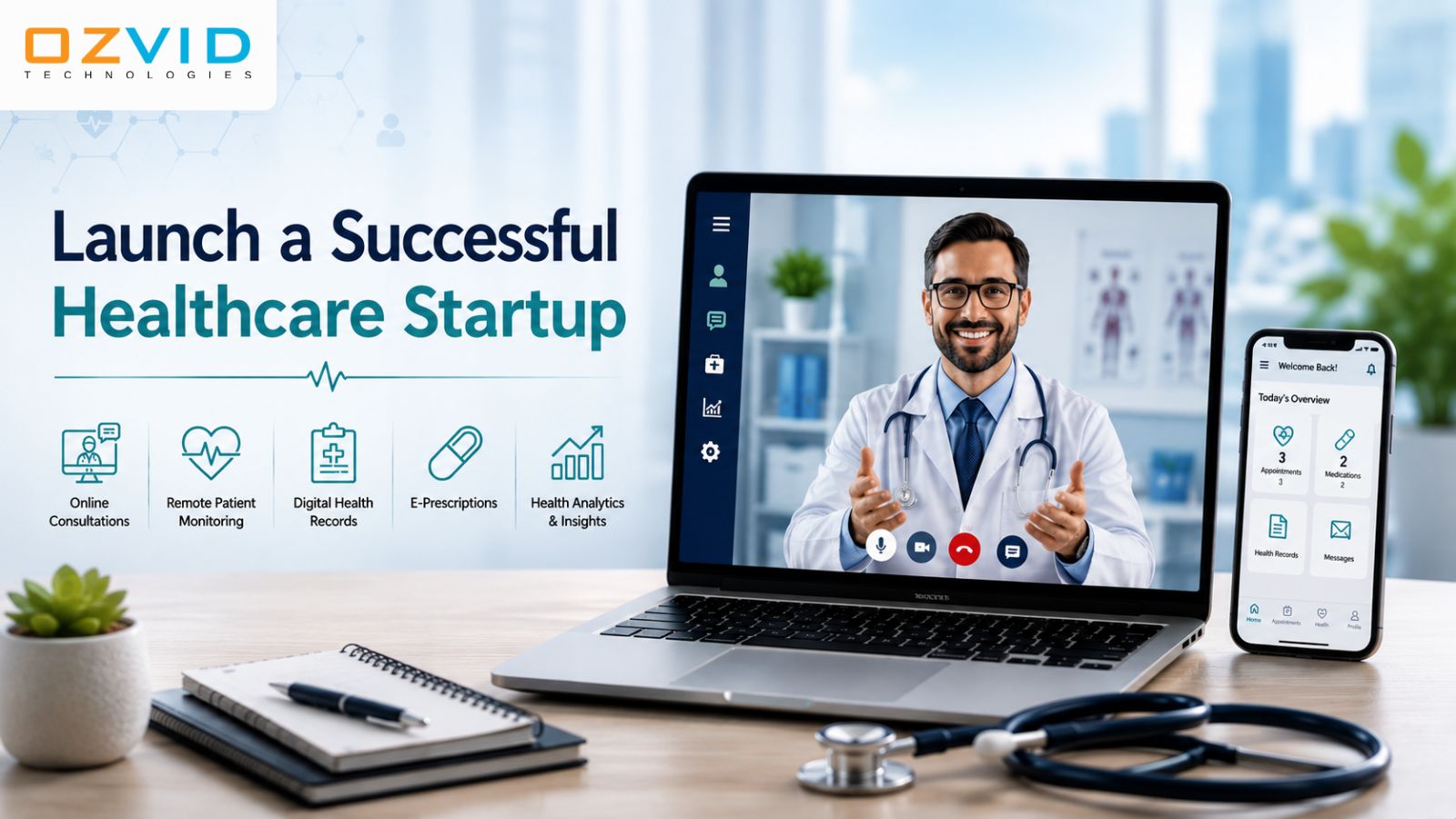
The healthcare industry is rapidly evolving, and telehealth has emerged as one of the most transformative innovations in modern medicine. With increasing demand for remote healthcare services, digital consultations, and virtual patient management, telehealth solutions are becoming an essential part of healthcare delivery worldwide. Patients today expect convenient access to healthcare services through mobile apps and digital platforms, while healthcare providers seek efficient ways to improve patient engagement and operational efficiency.
The growing adoption of artificial intelligence, cloud computing, wearable devices, and mobile technologies has created new opportunities for healthcare entrepreneurs looking to enter the telehealth market. From virtual consultation platforms and remote patient monitoring systems to mental health applications and AI-driven diagnostic solutions, telehealth businesses are reshaping the future of healthcare.
For startups, investing in telehealth app development offers significant growth potential. Partnering with a reliable mobile app development company can help businesses create scalable and secure healthcare platforms that meet regulatory requirements and deliver exceptional user experiences. Furthermore, leveraging AI powered solutions enables healthcare providers to offer personalized care, predictive analytics, and automated patient management.
Key Takeaways
- Telehealth is revolutionizing healthcare delivery through virtual consultations and remote patient care.
- AI-powered telehealth solutions enhance diagnostics, patient monitoring, and treatment recommendations.
- Mobile apps play a critical role in improving accessibility and patient engagement.
- Entrepreneurs can choose from various telehealth business models based on market demand.
- Security, compliance, and scalability are crucial for successful telehealth platform development.
- Partnering with a leading Telehealth app development company ensures faster development and long-term business growth.
Why Telehealth Is Revolutionizing Modern Healthcare Delivery?
The healthcare industry has experienced a major digital transformation over the past decade, with telehealth becoming a cornerstone of modern healthcare services. Telehealth bridges the gap between healthcare providers and patients by enabling remote consultations, digital prescriptions, virtual follow-ups, and continuous patient monitoring through mobile apps and online platforms.
One of the primary reasons behind telehealth's rapid growth is convenience. Patients can access medical services from anywhere, reducing travel time and eliminating geographical barriers. This is particularly beneficial for individuals living in rural or underserved areas where healthcare facilities may be limited.
Healthcare organizations are also leveraging AI powered solutions to improve clinical decision-making, automate administrative tasks, and provide personalized treatment recommendations. Advanced technologies such as machine learning, wearable devices, cloud computing, and predictive analytics are helping providers deliver more efficient and proactive care.
For entrepreneurs, telehealth presents a lucrative opportunity to build innovative healthcare businesses. With support from an experienced mobile app development company, startups can create custom mobile solutions that address specific healthcare challenges while ensuring compliance with industry regulations. As healthcare continues to embrace digital innovation, telehealth is expected to remain a critical component of patient-centered care and healthcare accessibility worldwide.
Top 10 Telehealth Business Ideas for Healthcare Entrepreneurs
Telehealth offers numerous opportunities for startups to address healthcare challenges while improving accessibility and patient outcomes. Below are some of the most profitable and scalable telehealth business ideas that entrepreneurs can explore.
1. Virtual Doctor Consultation Platform
A virtual consultation platform allows patients to connect with healthcare professionals through video, voice, or chat sessions. These platforms reduce waiting times and improve healthcare accessibility.
a. Online Appointment Scheduling
An online appointment scheduling app feature enables patients to book consultations with healthcare providers at their preferred time without visiting a clinic. The system automates scheduling, sends reminders, reduces administrative workload, and improves the overall patient experience by making healthcare services more accessible and convenient.
Benefits:
- Reduced scheduling conflicts
- Improved patient convenience
- Better clinic management
b. Video Consultation System
A secure video consultation system allows doctors and patients to communicate in real time through virtual appointments. It eliminates geographical barriers, supports remote diagnosis, and enhances healthcare accessibility while maintaining patient privacy and delivering quality medical care through digital platforms.
Benefits:
- Remote healthcare delivery
- Improved patient engagement
- Faster medical consultations
2. Remote Patient Monitoring Solution
Remote monitoring platforms use connected devices and mobile apps to track patient health metrics continuously.
a. Wearable Device Integration
Wearable device integration enables healthcare providers to collect real-time health information such as heart rate, blood pressure, oxygen levels, and activity data. This continuous stream of information helps medical professionals monitor patient conditions remotely and respond quickly to potential health concerns.
Benefits:
- Continuous monitoring
- Early risk detection
- Better patient outcomes
b. Health Analytics Dashboard
A health analytics dashboard transforms patient data into meaningful insights through visual reports and trend analysis. Healthcare professionals can easily track health progress, identify risks, and make informed clinical decisions that improve treatment effectiveness and support personalized patient care strategies.
Benefits:
- Data-driven insights
- Improved diagnosis
- Personalized care plans
3. Mental Health Teletherapy Platform
Mental health applications connect patients with licensed therapists through secure digital channels.
a. Virtual Counseling Sessions
Virtual counseling sessions allow patients to connect with licensed therapists through secure video, voice, or messaging channels. These sessions provide convenient access to mental health support, eliminate travel barriers, and encourage individuals to seek professional help from the comfort of their homes.
Benefits:
- Increased accessibility
- Reduced stigma
- Greater convenience
b. Mood Tracking Tools
Mood tracking tools help users record emotions, behaviors, and mental wellness patterns over time. The collected information enables therapists and patients to better understand emotional triggers, monitor progress, and develop more effective treatment plans for long-term mental health improvement.
Benefits:
- Better self-awareness
- Improved treatment outcomes
- Ongoing support
4. AI-Powered Symptom Checker
AI-driven healthcare platforms help users identify potential health concerns before consulting a physician.
a. Symptom Assessment Engine
The symptom assessment engine uses artificial intelligence algorithms to evaluate user-reported symptoms and provide preliminary healthcare guidance. It helps users understand potential medical conditions, encourages timely consultations, and improves healthcare accessibility through instant digital assessments.
Benefits:
- Faster preliminary assessment
- Reduced uncertainty
- Improved patient guidance
b. Health Risk Prediction
Health risk prediction systems leverage machine learning and patient data analysis to identify potential health risks before symptoms become severe. These predictive capabilities support preventive healthcare initiatives and help healthcare providers take proactive measures to improve patient outcomes.
Benefits:
- Early intervention
- Preventive healthcare
- Better health management
5. Telemedicine Marketplace
A telemedicine marketplace connects patients with specialists across multiple healthcare disciplines.
a. Doctor Discovery Platform
A doctor discovery platform enables patients to search, compare, and connect with healthcare professionals across various specialties. Users can review doctor profiles, qualifications, and availability, helping them make informed healthcare decisions and find the right medical expert quickly.
Benefits:
- Better provider selection
- Increased transparency
- Enhanced patient satisfaction
b. Integrated Payment System
An integrated payment system simplifies healthcare transactions by enabling secure online payments within the telemedicine platform. Patients can conveniently pay consultation fees, while healthcare providers benefit from automated billing, faster payments, and improved financial management processes.
Benefits:
- Convenient payments
- Faster processing
- Better user experience
6. Chronic Disease Management Platform
These solutions help patients manage long-term health conditions through digital tools and monitoring systems.
a. Medication Tracking
Medication tracking tools help patients manage prescriptions by sending reminders for medication schedules, dosage instructions, and refill notifications. This feature improves treatment adherence, reduces missed doses, and supports better management of chronic health conditions over time.
Benefits:
- Better adherence
- Reduced complications
- Improved outcomes
b. Progress Monitoring
Progress monitoring enables healthcare providers to track patient health metrics, treatment effectiveness, and recovery trends remotely. Continuous monitoring supports timely interventions, personalized treatment adjustments, and improved communication between patients and healthcare professionals.
Benefits:
- Ongoing care
- Personalized treatment
- Improved engagement
7. Digital Prescription Management System
Digital prescription platforms streamline medication management between doctors, pharmacies, and patients.
a. E-Prescription Generation
E-prescription generation allows healthcare providers to create, manage, and share digital prescriptions electronically. This reduces paperwork, minimizes prescription errors, improves record management, and enables patients to receive medications faster through connected pharmacy networks.
Benefits:
- Reduced paperwork
- Greater accuracy
- Faster processing
b. Pharmacy Integration
Pharmacy integration connects telehealth platforms directly with pharmacies, enabling seamless prescription processing and medication fulfillment. Patients can easily access prescribed medicines while healthcare providers benefit from improved coordination and enhanced prescription management workflows.
Benefits:
- Improved convenience
- Faster fulfillment
- Better coordination
8. Women's Health Telehealth Platform
Specialized platforms provide healthcare services focused on women's wellness.
a. Reproductive Health Support
Reproductive health support services provide women with access to specialized consultations, educational resources, and personalized healthcare guidance. These platforms address various reproductive health concerns while ensuring convenient, confidential, and accessible healthcare support.
Benefits:
- Specialized care
- Improved accessibility
- Better health outcomes
b. Pregnancy Monitoring
Pregnancy monitoring solutions enable expectant mothers to track prenatal health, receive virtual consultations, and monitor important pregnancy milestones. These tools improve maternal care, support healthy pregnancies, and facilitate timely medical intervention when necessary.
Benefits:
- Continuous monitoring
- Better maternal care
- Reduced risks
9. Elderly Care Telehealth Solution
Telehealth platforms designed for senior citizens improve healthcare accessibility and caregiver coordination.
a. Remote Care Management
Remote care management solutions help caregivers and healthcare professionals monitor senior patients from a distance. Through connected devices and telehealth tools, healthcare teams can ensure continuous support, improve care coordination, and enhance the overall quality of elderly care.
Benefits:
- Improved safety
- Better communication
- Enhanced care quality
b. Emergency Alert Systems
Emergency alert systems automatically notify caregivers, family members, or healthcare providers when urgent medical situations occur. These systems improve response times, provide immediate assistance, and enhance the safety and well-being of elderly individuals living independently.
Benefits:
- Faster response times
- Improved patient protection
- Reduced risks
10. Telehealth Fitness and Wellness Platform
These platforms combine healthcare, fitness, and wellness services in a single ecosystem.
a. Personalized Wellness Programs
Personalized wellness platforms utilize AI-powered insights to create customized fitness, nutrition, and health improvement plans. These tailored recommendations help users achieve their wellness objectives while promoting long-term engagement and healthier lifestyle habits.
Benefits:
- Customized plans
- Better engagement
- Improved results
b. Virtual Health Coaching
Virtual health coaching connects users with certified wellness experts who provide ongoing guidance, motivation, and personalized advice. This support helps individuals maintain healthy routines, achieve fitness goals, and improve their overall physical and mental well-being.
Benefits:
- Continuous motivation
- Professional support
- Healthier lifestyles
Essential Features Every Successful Telehealth Platform Needs
A successful telehealth platform requires a combination of advanced technology, security, and user-friendly functionality to ensure seamless interactions between healthcare providers and patients. The right set of features not only improves patient experiences but also enhances operational efficiency, regulatory compliance, and healthcare outcomes. Below are the essential features every telehealth platform should include to remain competitive and scalable in the evolving healthcare landscape.
1. Secure User Authentication
Secure user authentication is a critical feature that protects sensitive patient information and ensures that only authorized users can access the platform. Healthcare applications handle confidential medical records, prescriptions, and personal data, making robust security measures essential. Features such as multi-factor authentication, biometric verification, encrypted login systems, and role-based access control help safeguard user accounts while maintaining compliance with healthcare regulations.
2. Video Consultation Capabilities
Video consultation functionality serves as the foundation of most telehealth platforms by enabling real-time communication between patients and healthcare professionals. High-quality video and audio capabilities ensure accurate diagnosis, effective consultations, and improved patient engagement. Advanced telehealth platforms often include features such as screen sharing, file sharing, virtual waiting rooms, session recording, and chat support to enhance the consultation experience.
3. Electronic Health Records (EHR) Integration
Electronic Health Records integration allows healthcare providers to access and manage patient medical histories within a centralized platform. This feature streamlines clinical workflows by providing instant access to diagnoses, treatment plans, prescriptions, laboratory reports, and previous consultations. EHR integration eliminates the need for manual record management, reduces administrative burdens, and improves the accuracy of patient information.
4. Appointment Scheduling and Management
An efficient appointment scheduling system simplifies the process of booking, managing, and tracking medical consultations. Patients can view doctor availability, schedule appointments, receive automated reminders, and reschedule visits when necessary. For healthcare providers, appointment management tools help optimize schedules, reduce no-show rates, and improve resource utilization.
5. Secure Payment Gateway Integration
Payment gateway integration enables healthcare providers to collect consultation fees securely through the telehealth platform. Patients benefit from convenient payment options, including credit cards, debit cards, digital wallets, and online banking. A secure payment system ensures encrypted financial transactions while simplifying billing and invoicing processes.
Key Factors to Evaluate Before Launching a Telehealth Business
Launching a telehealth business requires careful planning, industry knowledge, and a clear understanding of both healthcare and technology landscapes. While the telehealth market presents significant opportunities for entrepreneurs, success depends on making informed decisions regarding compliance, target audience, technology infrastructure, revenue generation, and market competition.
1. Regulatory Compliance
Regulatory compliance is one of the most important aspects of launching a telehealth business. Since telehealth platforms handle sensitive patient information, healthcare organizations must adhere to strict healthcare regulations, privacy laws, and industry standards. Compliance requirements may vary depending on the country or region where services are offered, making it essential for businesses to understand applicable legal frameworks before development begins.
2. Target Audience Analysis
A thorough understanding of the target audience is essential for building a successful telehealth platform. Different patient groups have unique healthcare needs, preferences, and challenges that directly influence platform features and services. Conducting comprehensive market research helps entrepreneurs identify the demographics, behaviors, expectations, and healthcare concerns of their intended users.
3. Technology Infrastructure
A strong technology infrastructure forms the foundation of every successful telehealth platform. The selected technology stack must support platform performance, security, scalability, and future growth requirements. Healthcare businesses should carefully evaluate the technologies needed to deliver seamless virtual consultations, patient management, electronic health records integration, and real-time communication.
4. Revenue Model Selection
Choosing the right revenue model is critical for ensuring the long-term profitability and sustainability of a telehealth business. The monetization strategy should align with the target audience, service offerings, and overall business objectives. Telehealth startups can generate revenue through various models, including subscription plans, pay-per-consultation services, commission-based structures, enterprise licensing, or a combination of multiple approaches.
5. Competitive Analysis
Conducting a comprehensive competitive analysis is essential for identifying opportunities and creating a unique market position. The telehealth industry is becoming increasingly competitive, with numerous platforms offering virtual healthcare services across different specialties. Understanding competitor strengths, weaknesses, service offerings, pricing models, and customer experiences can help businesses develop more effective strategies and differentiate themselves in the market.
AI-Powered Telehealth App Development Cost Breakdown
The cost of developing an AI-powered telehealth application depends on several factors, including platform complexity, user roles, feature requirements, third-party integrations, security standards, compliance requirements, and artificial intelligence capabilities. Unlike traditional healthcare applications, AI-powered telehealth platforms require advanced technologies such as machine learning algorithms, predictive analytics, natural language processing, virtual assistants, and remote patient monitoring systems, which significantly impact development costs.
The following table provides a general cost estimate for different types of AI-powered telehealth applications.
Telehealth Platform Type | Estimated Development Cost | Key Features Included |
|---|---|---|
Basic Telehealth App | $15,000 – $40,000 | User registration, patient profiles, appointment scheduling, video consultations, notifications, basic admin panel |
Standard Telehealth Platform | $40,000 – $80,000 | Video consultations, appointment management, electronic health records (EHR) integration, secure messaging, payment gateway integration |
Advanced Telehealth Solution | $80,000 – $150,000 | Remote patient monitoring, wearable device integration, analytics dashboard, prescription management, multi-user roles |
AI-Powered Telehealth Application | $150,000 – $300,000 | AI symptom checker, predictive analytics, chatbot support, personalized treatment recommendations, intelligent patient management |
Enterprise Telehealth Platform | $300,000 – $500,000+ | Multi-hospital management, advanced AI capabilities, custom integrations, telemedicine marketplace, large-scale cloud infrastructure |
Custom AI Healthcare Ecosystem | $500,000+ | AI diagnostics, machine learning models, IoT and wearable integrations, population health management, enterprise-grade security and compliance |
Choosing the Right Telehealth App Development Partner
Selecting the right telehealth app development partner is one of the most important decisions for healthcare startups and organizations planning to launch a digital healthcare platform. The success of a telehealth solution depends not only on innovative ideas and advanced features but also on the expertise of the development team responsible for building the platform.
1. Healthcare Industry Expertise
When choosing a telehealth app development partner, it is essential to assess their experience in the healthcare sector. Developing healthcare applications requires a deep understanding of industry-specific challenges, patient expectations, clinical workflows, and regulatory requirements.
2. Expertise in Emerging Technologies
As telehealth continues to evolve, artificial intelligence is becoming a key component of modern healthcare platforms. Businesses should look for a development company that has extensive experience in AI-powered solutions, machine learning, predictive analytics, natural language processing, and healthcare automation.
3. Regulatory Compliance Knowledge
Healthcare applications manage highly sensitive patient information, making security and compliance critical considerations during development. The selected development company should have extensive knowledge of healthcare regulations, data protection standards, and cybersecurity best practices.
4. Custom Development Capabilities
Every healthcare business has unique goals, operational requirements, and target audiences. Therefore, it is important to partner with a company that offers custom mobile solutions rather than relying solely on pre-built templates. A customized approach allows businesses to develop features that align with their specific healthcare services, workflows, and growth objectives.
5. Strong UI/UX Design Expertise
User experience plays a significant role in the adoption and success of telehealth platforms. Patients and healthcare professionals expect intuitive, easy-to-navigate interfaces that simplify interactions and improve accessibility. An experienced development partner should have a dedicated UI/UX design team capable of creating user-friendly mobile apps and web platforms.
6. Transparent Development Process
Transparency throughout the development lifecycle is essential for successful project execution. A reputable telehealth app development company should provide clear project timelines, regular progress updates, detailed cost estimates, and effective communication channels. Businesses should look for partners that follow structured development methodologies such as Agile development, allowing for continuous feedback, faster iterations, and improved project visibility.
7. Post-Launch Maintenance and Support
The development process does not end after the application is launched. Ongoing maintenance, security updates, bug fixes, feature enhancements, and technical support are essential for keeping the platform secure and competitive. Businesses should choose a telehealth app development company that offers long-term support services and proactive maintenance solutions.
Emerging Trends Driving the Future of Telehealth Businesses
The telehealth industry is undergoing rapid transformation as healthcare providers, technology companies, and startups continue to adopt innovative digital solutions. Advancements in artificial intelligence, connected healthcare devices, cloud computing, and data analytics are reshaping how medical services are delivered and experienced. As patient expectations continue to evolve, telehealth businesses must stay ahead of emerging trends to remain competitive and deliver high-quality healthcare services.
1. Artificial Intelligence in Healthcare
Artificial intelligence is becoming one of the most influential technologies in the telehealth industry. AI-powered systems can analyze large volumes of patient data, identify patterns, predict health risks, and assist healthcare professionals in making informed clinical decisions. From AI-driven symptom checkers and virtual health assistants to predictive analytics and personalized treatment recommendations, artificial intelligence is improving the efficiency and accuracy of healthcare services.
2. Wearable Health Technology
The adoption of wearable healthcare devices is growing rapidly as patients seek more proactive ways to monitor and manage their health. Smartwatches, fitness trackers, heart rate monitors, glucose monitoring devices, and other wearable technologies collect real-time health data that can be shared directly with healthcare providers through telehealth platforms.
3. Internet of Medical Things (IoMT)
The Internet of Medical Things (IoMT) refers to a connected ecosystem of medical devices, healthcare applications, and communication technologies that collect and exchange healthcare data. IoMT devices include remote monitoring equipment, smart diagnostic tools, connected medical sensors, and wearable health devices that communicate with healthcare systems in real time.
4. Personalized Healthcare Medicine
Patients increasingly expect healthcare experiences tailored to their unique needs, medical histories, and lifestyle factors. Personalized healthcare leverages patient data, artificial intelligence, genetic information, and predictive analytics to develop customized treatment plans and healthcare recommendations.
5. Remote Patient Monitoring Expansion
Remote patient monitoring has evolved from a supplementary healthcare service into a critical component of modern telehealth solutions. Healthcare providers can now continuously monitor patients using connected devices that track vital signs, medication adherence, and overall health status from virtually any location.
Conclusion
Telehealth is transforming the healthcare industry by making medical services more accessible, efficient, and patient-centric. From virtual consultation platforms and remote patient monitoring solutions to AI-powered diagnostic systems and wellness applications, there are countless opportunities for entrepreneurs to build innovative healthcare startups.
Success in this rapidly growing industry depends on selecting the right business model, implementing advanced technologies, ensuring regulatory compliance, and delivering exceptional user experiences. Partnering with a trusted mobile app development company can help startups build scalable mobile apps, integrate AI powered solutions, and create custom mobile solutions tailored to evolving healthcare demands.
At OZVID Technologies, we specialize in telehealth app development, AI-powered healthcare solutions, and custom app development services that empower healthcare organizations to innovate and grow. As a leading Telehealth app development company, our team delivers secure, scalable, and future-ready digital healthcare platforms designed to meet the unique needs of modern healthcare providers and startups. Contact us for more information.
Frequently Asked Questions
1. Why is telehealth considered a profitable healthcare startup opportunity?
Telehealth addresses growing demand for remote healthcare services while reducing operational costs and improving patient accessibility. The increasing adoption of mobile apps and digital healthcare solutions creates significant opportunities for sustainable business growth.
Key Points:
- Expanding healthcare market
- Growing patient demand
- Scalable business model
2. How much does telehealth app development typically cost?
Telehealth app development costs vary depending on features, integrations, compliance requirements, and AI capabilities. Basic platforms are more affordable, while advanced AI-powered systems require higher investment due to their complexity.
Key Points:
- Feature complexity impacts pricing
- AI integration increases costs
- Customization affects budget
3. What role does AI play in telehealth platforms?
Artificial intelligence enhances telehealth services by automating processes, improving diagnostics, enabling predictive analytics, and delivering personalized patient care recommendations. AI helps healthcare providers improve efficiency and clinical outcomes.
Key Points:
- Predictive analytics
- Automated workflows
- Personalized treatment
4. What are the most important features in a telehealth application?
Successful telehealth platforms require secure communication, appointment scheduling, electronic health records integration, payment processing, and patient management capabilities to ensure a seamless healthcare experience.
Key Points:
- Video consultations
- EHR integration
- Secure payments
5. How can a mobile app development company support telehealth startups?
A professional mobile app development company helps businesses design, develop, test, and maintain telehealth platforms while ensuring scalability, security, compliance, and optimal user experiences.
Key Points:
- End-to-end development
- Regulatory compliance
- Ongoing support
6. Why should healthcare startups invest in custom mobile solutions?
Custom mobile solutions provide flexibility, scalability, and unique functionality tailored to business requirements. They enable healthcare organizations to differentiate themselves while delivering superior patient experiences.
Key Points:
- Customized features
- Better scalability
- Competitive advantage