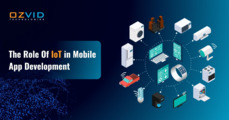
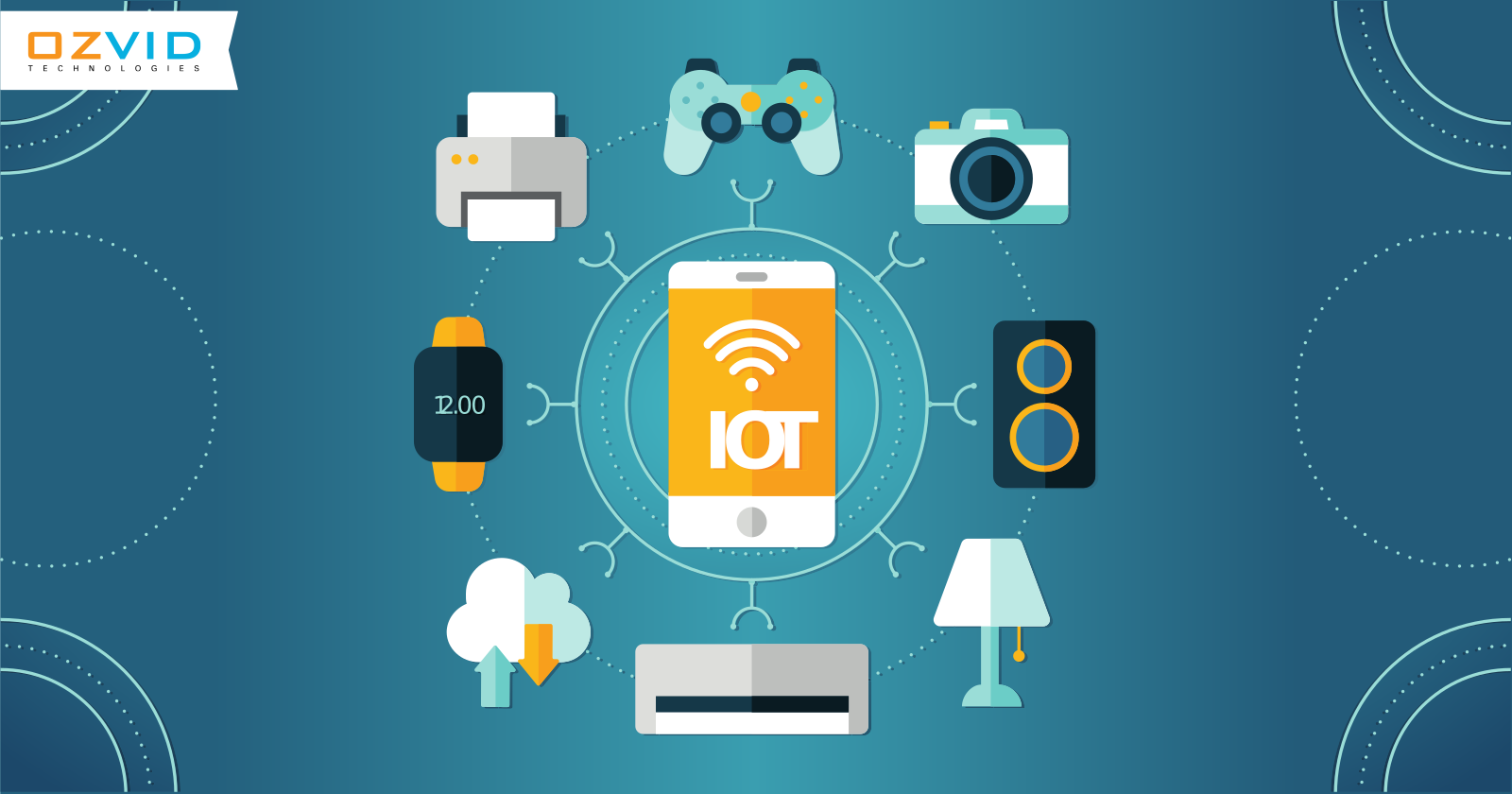
The Internet of Things (IoT) is one of the most transformative technologies in the modern digital landscape. By seamlessly integrating devices and objects into the web, IoT has revolutionized the way industries function, enabling more efficient systems and enhancing user experiences. But one sector in particular that stands to benefit from IoT’s capabilities is mobile app development.
As mobile apps become more integral to daily life, the need for them to interact with an ever-expanding array of connected devices is growing. This is where IoT can make a profound impact. IoT-enabled mobile applications can control, monitor, and interact with smart devices in real-time, creating a more interconnected world. The ability of IoT to transform the mobile app development sector is undeniable, and as we explore this topic, we'll see just how profound this change might be.
In this blog, we will delve into how IoT is reshaping mobile app development, its potential impact on the industry, and the ways in which businesses and developers can stay ahead by leveraging this technology. Whether you are looking to hire a mobile app developer, explore mobile app development services, or are a developer yourself trying to understand the implications of IoT on your work, this article will give you all the insights you need.
Key Takeaways
- IoT is revolutionizing mobile app development by enabling seamless device connectivity and real-time data processing.
- Mobile apps must evolve to provide smarter, more efficient user experiences through IoT integrations.
- Developers need specialized skills in IoT, cloud services, and security to build effective connected apps.
- The growing demand for IoT-based apps is increasing the need to hire mobile app developers with IoT expertise.
- Future trends like AI, 5G, and edge computing will further accelerate IoT integration in mobile app development.
The Growing Role of IoT in Mobile App Development
IoT has already started to change the way we interact with the physical world. From connected thermostats and wearable health devices to smart home appliances and industrial machines, IoT has moved from being a buzzword to a core component of the digital ecosystem. For the mobile app development sector, IoT offers several exciting opportunities.
1. Connectivity Across Devices and Platforms
One of the most compelling reasons IoT is influencing mobile app development is the demand for connectivity. As IoT-enabled devices continue to grow, mobile apps must be capable of managing these connections effectively. Today’s mobile app developers must not only create apps that work on smartphones and tablets but also enable seamless integration with various IoT devices.
For instance, smartwatches, home automation systems, and health monitoring devices all require mobile apps to function efficiently. These apps allow users to control and interact with these devices from anywhere in the world, all through their mobile phones. This interconnectivity is pushing developers to innovate in their approaches to mobile app creation, resulting in an increasing demand for mobile app development services that specialize in IoT integrations.
2. Enhanced User Experiences with Smart Technology
The true power of IoT lies in its ability to provide users with personalized and efficient experiences. A mobile app that can integrate seamlessly with a wide range of IoT devices offers users an intuitive, seamless experience. For example, a smart home mobile app might allow users to control everything from lighting and heating to security systems from one centralized platform.
As IoT continues to mature, users expect their mobile apps to perform at a high level of sophistication, offering personalized services and deep device interactions. A mobile app developer will need to be well-versed in the best practices for creating such interconnected apps to meet these growing user expectations.
3. Real-time Data Processing and Analytics
IoT devices generate a massive amount of real-time data that can be used to improve app performance, enhance features, and deliver better insights to users. Mobile apps leveraging IoT can collect and process this data to provide actionable insights, make predictions, or automate specific tasks. This capability can be particularly useful in fields such as healthcare, where mobile apps can collect data from wearable devices and analyze it to provide real-time health insights to users.
For example, apps that monitor heart rate, physical activity, or sleep patterns rely heavily on data from IoT devices. Mobile app developers must design apps that can handle this data processing, ensuring that it is both fast and accurate. Apps that fail to provide real-time data or cannot integrate IoT devices effectively risk falling behind the competition.
4. Automation and Efficiency
With IoT, mobile apps can enable automation across a wide variety of industries, including manufacturing, agriculture, retail, and logistics. For instance, in smart agriculture, IoT-enabled sensors can monitor soil moisture levels and automatically adjust irrigation schedules based on the data collected. This kind of automation allows businesses to reduce costs, improve efficiency, and minimize human error.
As businesses continue to explore automation, mobile app development services must evolve to cater to these needs. Apps will need to be able to automate processes, integrate with IoT sensors, and ensure that all devices and systems work in harmony.
How IoT Will Impact Mobile App Development Companies
For a mobile app development company, embracing IoT technology is no longer optional. It is quickly becoming a necessity for businesses that want to stay relevant in an increasingly connected world.
1. New Development Challenges
While IoT provides exciting opportunities, it also presents new challenges. Building mobile apps that can handle complex IoT integrations requires specialized knowledge in multiple areas, including networking, security, data analytics, and hardware compatibility.
For mobile app developers, this means expanding their skill sets to include knowledge of the Internet of Things and understanding how to develop apps that work efficiently across multiple platforms and devices. For instance, developing apps that can function well across both Android and iOS while integrating with a broad range of IoT devices demands a high level of technical proficiency.
2. Security Concerns
As with any connected technology, security is a top concern. IoT devices often transmit sensitive data, and a breach can have serious consequences. For example, a compromised smart home device could expose private information or give unauthorized users access to the home.
When building IoT-integrated apps, developers must prioritize security by incorporating encryption, secure data transmission, and proper authentication protocols. A mobile app development company that does not take security seriously risks exposing their users to potential threats, which can damage their reputation and erode user trust.
3. Cloud Integration
IoT devices often rely on cloud services to store and process data. Mobile apps developed for IoT ecosystems must be designed with this in mind, ensuring seamless integration with cloud platforms. Whether it is Amazon Web Services (AWS), Microsoft Azure, or Google Cloud, cloud services are essential for handling the vast amounts of data generated by IoT devices.
Mobile apps that integrate with cloud-based systems will be able to access and analyze real-time data, while also offering features such as device management, remote control, and firmware updates. Developers will need to work closely with cloud services to ensure the smooth operation of these integrations.
4. Increased Demand for Specialized Developers
As the mobile app development landscape shifts to incorporate IoT, companies will need to hire mobile app developers who possess specialized skills. These developers will need to have a deep understanding of how to create apps that can interact with and manage IoT devices. The demand for such developers is already on the rise, and it will only continue to grow as IoT adoption increases.
For businesses seeking to leverage IoT in their mobile apps, the process of hiring a mobile app developer with IoT expertise will be a crucial step. By finding the right talent, businesses can ensure that their mobile apps are well-equipped to handle the demands of the connected world.
The Future of IoT in Mobile App Development
Looking ahead, the role of IoT in mobile app development will only grow more significant. As more industries adopt IoT technology, the demand for mobile apps that can integrate with and manage these devices will increase.
Here are a few future trends to keep an eye on:
1. AI and IoT Convergence
The combination of artificial intelligence (AI) and IoT will allow for even more powerful mobile apps. AI can be used to analyze IoT data in real-time, predict user behavior, and automate decision-making processes. This will take mobile app functionality to new levels, offering users more personalized and efficient experiences.
2. 5G Connectivity
The widespread adoption of 5G technology will accelerate the development of IoT-enabled mobile apps. With faster download and upload speeds, lower latency, and more reliable connections, 5G will make it easier for apps to manage large volumes of data generated by IoT devices in real-time.
3. Edge Computing
Edge computing will enable mobile apps to process data closer to the source—i.e., on the IoT device itself—rather than relying solely on the cloud. This will reduce latency and allow for faster data processing, making IoT-enabled apps more responsive and efficient.
4. Expanded IoT Ecosystems
As more devices become interconnected, mobile apps will be able to integrate with a broader range of IoT devices across various industries. This will expand the functionality of mobile apps, making them essential tools for managing everything from healthcare to manufacturing, logistics, and smart cities.
How OZVID Technologies Delivers IoT-Ready Mobile App Development Services
As a technology partner, OZVID Technologies offers comprehensive mobile app development services tailored for the IoT era. Our approach focuses on:
- User-centric design: We design apps that make complex IoT interactions simple and intuitive for end users.
- Robust architecture: We build scalable cloud-backed systems that handle real-time data, device management, and analytics.
- Security by design: Encryption, secure authentication, and best practices at every layer of the stack.
- Cross-platform expertise: Native and cross-platform development for Android, iOS, and wearable devices.
- Industry-specific solutions: Experience across healthcare, manufacturing, logistics, home automation, and more.
Whether you are building a consumer-facing smart home app or an enterprise-grade industrial IoT platform, our mobile app development services ensure your solution is future-ready.
If you are looking to hire mobile app developer teams who understand the intricacies of IoT, device ecosystems, and modern cloud infrastructure, OZVID Technologies can be your strategic development partner.
Conclusion
The impact of IoT on the mobile app development sector is already profound, and it will only grow stronger in the coming years. IoT is transforming the way mobile apps interact with the physical world, creating new opportunities for businesses and users alike. By enabling real-time data processing, automation, and deep device integrations, IoT is setting the stage for more intelligent, interconnected, and efficient mobile applications.
For mobile app development companies, embracing IoT is a strategic move that will enable them to stay ahead of the curve. As IoT technology continues to advance, businesses and developers who are prepared to build the next generation of smart, connected apps will be well-positioned for success.
Whether you are looking to hire a mobile app developer or seeking mobile app development services to incorporate IoT into your app, it's clear that this technology is one of the most exciting frontiers for innovation. The question is no longer whether IoT will transform mobile app development but how quickly developers can harness its full potential. Contact us today for more information.
FAQ's
1. How can mobile app developers integrate IoT into their apps?
Developers integrate IoT by utilizing APIs, SDKs, and cloud services to enable apps to communicate with IoT devices. They must ensure seamless connectivity, handle real-time data processing, and prioritize security to deliver robust and efficient IoT-enabled mobile apps.
2. What are the security challenges when integrating IoT with mobile apps?
IoT devices often transmit sensitive data, which makes them vulnerable to hacking or breaches. Developers must implement robust encryption, secure communication protocols, and authentication mechanisms to protect user data and prevent unauthorized access.
3. What industries benefit the most from IoT-enabled mobile apps?
Industries such as healthcare (wearables), smart homes (IoT devices for home automation), agriculture (smart farming solutions), and logistics (real-time asset tracking) benefit significantly from IoT-enabled apps by improving efficiency, automation, and real-time monitoring.
4. How does IoT enhance user experience in mobile applications?
IoT enhances user experience by providing personalized, data-driven interactions. It enables apps to automate tasks, offer real-time data insights, and provide seamless control over multiple smart devices, creating an intuitive, efficient, and customized experience for users.
5. What programming languages and technologies are used to develop IoT-based mobile apps?
Mobile app developers typically use languages like Java, Kotlin (Android), Swift (iOS), and cross-platform frameworks like Flutter or React Native. For IoT integrations, knowledge of MQTT, CoAP protocols, and cloud platforms like AWS or Azure is essential.