- Dec 25, 2025
- Web Design
- 12198
Share this post on:
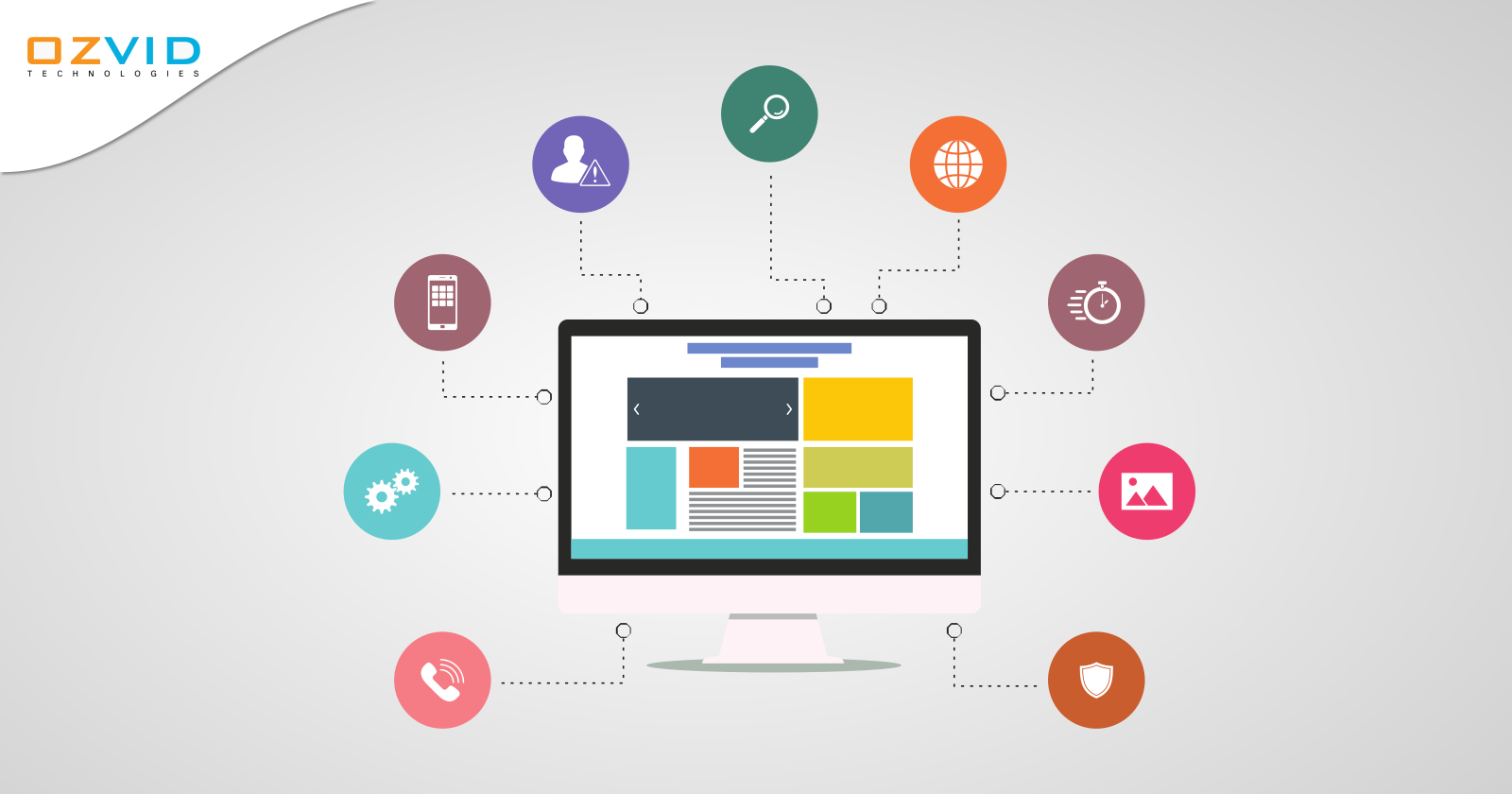
In the digital era, a website is often the first point of interaction between a business and its potential customers. A well-designed website does more than just look good; it creates trust, delivers information clearly, and guides users toward meaningful actions. This is why web design plays a critical role in building a strong online presence.
At OZVID Technologies, we understand that successful website designing is not only about visuals but also about usability, accessibility, and performance. A user-friendly website helps visitors find what they need quickly, keeps them engaged, and encourages them to return. In this blog, we will explore the importance of user-friendly web design and share practical website designing tips that help businesses build effective and high-performing websites.
Key Takeaways
- Simple and clean web design helps users focus on content and improves overall usability.
- Clear navigation and structured layouts make websites easier to explore and understand.
- Mobile-responsive and fast-loading websites enhance user experience and engagement.
- Readable typography and visual consistency build trust and professional appeal.
- Effective calls-to-action guide users and improve conversions on business websites.
- Continuous testing and improvement ensure long-term website performance and success.
Importance of User-Friendly Web Design
User-friendly web design focuses on creating websites that are easy to navigate, visually appealing, and functional across all devices. Below are the key reasons why user-friendly web design is essential for modern businesses.
Improves User Experience
A user-friendly website ensures that visitors can navigate easily, understand content clearly, and complete actions without confusion. Simple layouts, readable text, and intuitive navigation enhance the overall user experience. When users enjoy browsing a website, they are more likely to stay longer and explore further.
Increases Engagement and Retention
Well-planned website designing keeps users engaged by presenting information in an organized and visually pleasing manner. Clear calls-to-action, fast-loading pages, and interactive elements encourage visitors to interact with the website instead of leaving it quickly.
Builds Brand Trust and Credibility
A professional-looking website creates a positive first impression. Consistent colors, clean layouts, and well-structured content make a business appear reliable and credible. Trust is a key factor in converting visitors into customers, and good web design helps establish that trust.
Supports Website Development Goals
User-friendly design works hand-in-hand with website development to achieve business objectives. Whether the goal is lead generation, online sales, or brand awareness, a well-designed website ensures smooth functionality and better results.
Enhances SEO and Visibility
Search engines favor websites that provide good user experience. Proper structure, mobile responsiveness, and fast loading speed improve search rankings. This makes user-friendly website designing an essential part of any SEO strategy.
Top Website Designing Tips to Build User-Friendly Websites
Creating a user-friendly website requires more than just attractive visuals. It involves thoughtful web design, proper structure, and seamless functionality that helps users navigate easily and find information without frustration. Below are the most important website designing tips, explained clearly with supporting bullet points.
1. Keep the Website Design Simple and Clean
A simple and clean design helps users focus on the content that matters most. Overloaded pages with too many elements can confuse visitors and reduce engagement. Minimal design improves clarity and usability.
Key points to follow:
- Use sufficient white space to improve readability
- Avoid excessive colors, fonts, and animations
- Keep layouts uncluttered and balanced
- Highlight important content clearly
A clean web design ensures a smooth browsing experience and leaves a professional impression.
2. Create Clear and Easy Navigation
Navigation plays a crucial role in helping users move through the website effortlessly. If users struggle to find information, they are likely to leave quickly.
Best practices for navigation:
- Use simple and descriptive menu labels
- Keep navigation menus consistent across pages
- Limit the number of menu options
- Add internal links for better content flow
Clear navigation is a core part of effective website designing and improves user satisfaction.
3. Make the Website Mobile Responsive
With most users accessing websites on mobile devices, mobile responsiveness is essential. A responsive website adapts smoothly to different screen sizes and devices.
Why mobile responsiveness matters:
- Improves user experience on smartphones and tablets
- Increases engagement and retention
- Supports better search engine rankings
- Ensures consistent design across all devices
- Modern website development must prioritize mobile-first design.
4. Improve Website Loading Speed
Website speed has a direct impact on user experience and conversions. Slow websites frustrate users and increase bounce rates.
Ways to improve website speed:
- Optimize image sizes and formats
- Minimize unnecessary scripts and plugins
- Use clean and efficient code
- Enable caching and compression
A professional web app development company always focuses on performance optimization.
5. Use Readable Fonts and Proper Typography
Typography affects how easily users can read and understand content. Poor font choices can make even good content hard to consume.
Typography best practices:
- Choose simple, readable fonts
- Maintain proper font size and spacing
- Use headings and subheadings clearly
- Avoid using too many font styles
Good typography is a key element of successful web design.
6. Maintain Visual Consistency Across the Website
Consistency helps users understand the structure of a website and builds brand trust. Inconsistent design elements can confuse visitors.
Maintain consistency by:
- Using the same color palette throughout
- Keeping uniform font styles and sizes
- Following a consistent layout structure
- Aligning design with brand identity
Consistent website designing improves usability and professionalism.
7. Use High-Quality and Relevant Images
Visual elements make websites more engaging when used correctly. However, poor-quality images can reduce credibility.
Tips for using images effectively:
- Use high-resolution, relevant images
- Avoid stock images that look generic
- Optimize images to reduce loading time
- Add alt text for accessibility and SEO
Well-optimized visuals enhance both web design and user experience.
8. Add Clear and Action-Oriented Call-to-Actions
Calls-to-action guide users toward specific goals such as contacting the business or making a purchase. Clear CTAs improve conversions.
Effective CTA practices:
- Use clear and action-focused text
- Place CTAs where users naturally look
- Use contrasting colors to make them visible
- Keep CTA messages simple and direct
Strong CTAs are essential for any website design company aiming for results.
9. Ensure Website Accessibility for All Users
Accessibility ensures that everyone, including users with disabilities, can use the website easily. Accessible design improves reach and usability.
Accessibility considerations include:
- Proper color contrast for readability
- Alternative text for images
- Keyboard-friendly navigation
- Clear and simple content structure
Accessible website development supports inclusivity and compliance.
10. Choose Reliable Tools and Website Builders
Using the right tools and platforms simplifies website creation and management. Many best website builders offer flexible templates and scalability.
Benefits of reliable website builders:
- Faster development process
- Easy customization and maintenance
- Built-in responsive design features
- Better scalability for future growth
Choosing the right tools is crucial for long-term website development success.
11. Structure Content for Easy Reading
Users prefer content that is easy to scan rather than long paragraphs. Proper content structure improves engagement.
Content structuring tips:
- Use headings and subheadings
- Break content into short paragraphs
- Use bullet points where possible
- Highlight important information
Clear content layout supports better web design and SEO performance.
12. Test, Analyze, and Improve Regularly
A user-friendly website is never complete without testing. Continuous improvement helps maintain performance and usability.
Regular testing helps to:
- Identify navigation or usability issues
- Improve website speed and functionality
- Fix broken links and errors
- Enhance overall user experience
Ongoing optimization is a core responsibility of a professional website development company.
Partner with OZVID Technologies for Web Development
At OZVID Technologies, we specialize in delivering high-quality web design, website designing, and website development solutions for businesses of all sizes. As a trusted website development company, we focus on creating user-friendly, scalable, and visually appealing websites.
Why Choose OZVID Technologies
- Experienced designers and developers
- Custom web solutions tailored to business needs
- Expertise in modern design trends and technologies
- Focus on performance, usability, and security
- End-to-end services from planning to deployment
As a reliable web development company, OZVID Technologies combines creativity and technical expertise to build websites that deliver real business value.
Conclusion
Building a user-friendly website requires thoughtful planning, strategic design, and reliable development practices. Effective web design focuses on simplicity, usability, performance, and accessibility to create meaningful user experiences.
By following the right website designing tips and partnering with a professional website design company, businesses can build websites that engage users and drive growth. At OZVID Technologies, we are committed to delivering high-quality website development solutions that help businesses succeed in the digital world.
If you are looking for a trusted web development company to build or redesign a user-friendly website, OZVID Technologies is ready to turn your vision into reality.
FAQ's
1. Why is user experience critical in modern website designing?
User experience directly impacts visitor retention, brand trust, and conversions. Websites designed with user experience in mind reduce bounce rates, improve engagement, and encourage users to explore services, ultimately supporting better business performance and search engine rankings.
2. What role does website speed play in user-friendly design?
Website speed influences user satisfaction and search rankings. Faster websites reduce page abandonment, improve engagement, and provide smoother browsing experiences. Optimized images, clean code, and efficient hosting significantly contribute to better performance and usability.
3. What is the cost range for designing a user-friendly business website?
The cost of designing a user-friendly business website typically ranges from $1,500 to $15,000, depending on design complexity, number of pages, custom features, UI/UX requirements, and integration needs. Advanced functionality and custom branding may increase overall development costs.
4. How much time is required to build a user-friendly website from scratch?
Building a user-friendly website usually takes 4 to 12 weeks, based on project scope, design revisions, content readiness, and technical requirements. Simple websites can be completed faster, while complex platforms with custom features require extended development and testing time.
5. How does AI improve user-friendly website design and functionality?
AI enhances website design by enabling personalized user experiences, smart content recommendations, chatbots, predictive analytics, and automated testing. These capabilities help optimize navigation, improve engagement, streamline performance analysis, and deliver more intuitive, data-driven web experiences.