Retail is undergoing a remarkable transformation, driven by the rapid advancement of artificial intelligence. From personalized product recommendations and intelligent chatbots to automated inventory management and predictive analytics, AI in Retail is reshaping how businesses engage customers and streamline operations. Today's consumers expect seamless, personalized, and convenient shopping experiences, and retailers are increasingly leveraging AI-powered technologies to meet these evolving expectations.
The impact of AI on the retail industry is becoming more significant every year. According to industry reports, the global artificial intelligence (AI) in retail market size is projected to grow from USD 16.54 billion in 2026 to USD 105.88 billion by 2034, at a CAGR of 26.10%.
From small retailers to global brands, businesses are investing in AI integration to improve customer experiences, optimize operations, reduce costs, and drive profitability. Partnering with an experienced AI app development company allows retailers to unlock innovative solutions that transform traditional shopping into intelligent, data-driven experiences.
In this blog, we explore how AI is revolutionizing retail, its key benefits, implementation costs, future trends, and why investing in AI-powered retail solutions is becoming essential for long-term success.
Key Highlights
- Retailers are using AI-powered recommendation engines, virtual assistants, and personalization tools to create highly customized shopping journeys.
- AI helps retailers forecast demand, optimize inventory levels, and identify emerging consumer trends with greater accuracy.
- Automated inventory management, pricing optimization, and customer support significantly improve operational efficiency.
- Artificial intelligence enables seamless integration across websites, mobile apps, social commerce platforms, and physical stores.
- Retailers implementing AI in Shopping often experience higher conversion rates, increased customer retention, and improved average order values.
- Businesses that embrace AI integration early gain a significant advantage in customer engagement, operational efficiency, and market growth.
How AI is Revolutionizing Today's Shopping Experience
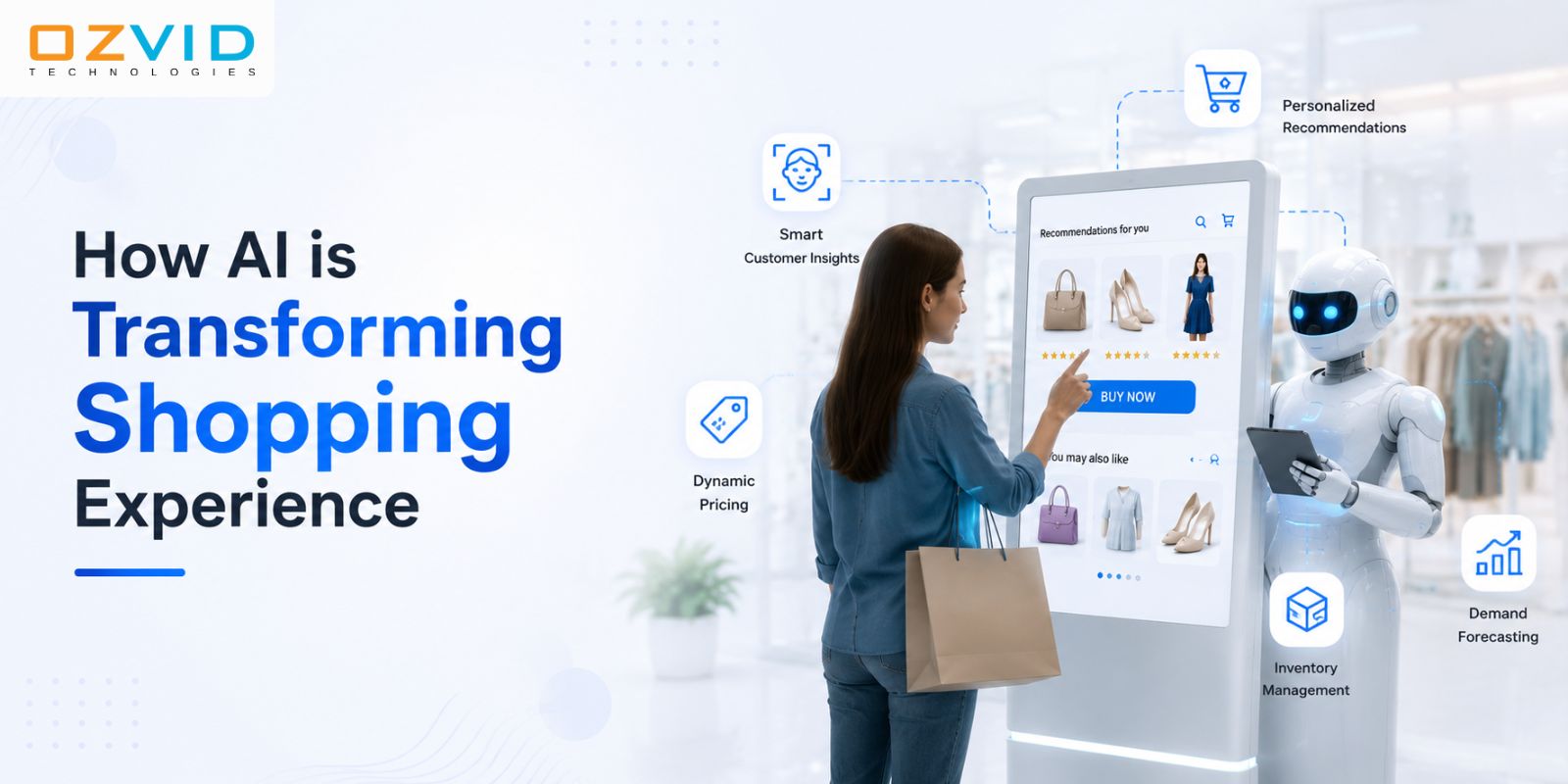
The modern retail landscape is becoming increasingly customer-centric, and artificial intelligence is at the heart of this transformation. AI technologies are helping retailers understand customer behavior, predict preferences, and deliver personalized experiences across every touchpoint.
Whether customers shop online, through mobile applications, or in physical stores, AI-powered systems collect and analyze vast amounts of data to provide relevant product recommendations, personalized promotions, and real-time assistance. This level of personalization not only improves customer satisfaction but also increases sales opportunities.
Furthermore, AI helps retailers optimize inventory management, automate routine tasks, and enhance supply chain efficiency. By leveraging AI integration, businesses can make data-driven decisions faster and more accurately than ever before. As a result, AI in Retail is creating smarter, faster, and more engaging shopping experiences that benefit both consumers and retailers.
Key Benefits of Implementing AI in Retail Operations
As customer expectations continue to evolve, retailers are under increasing pressure to deliver faster, smarter, and more personalized shopping experiences. This is where AI in Retail is making a significant impact. From improving customer engagement and streamlining operations to enhancing inventory management and increasing profitability, artificial intelligence is helping retailers stay competitive in a rapidly changing market.
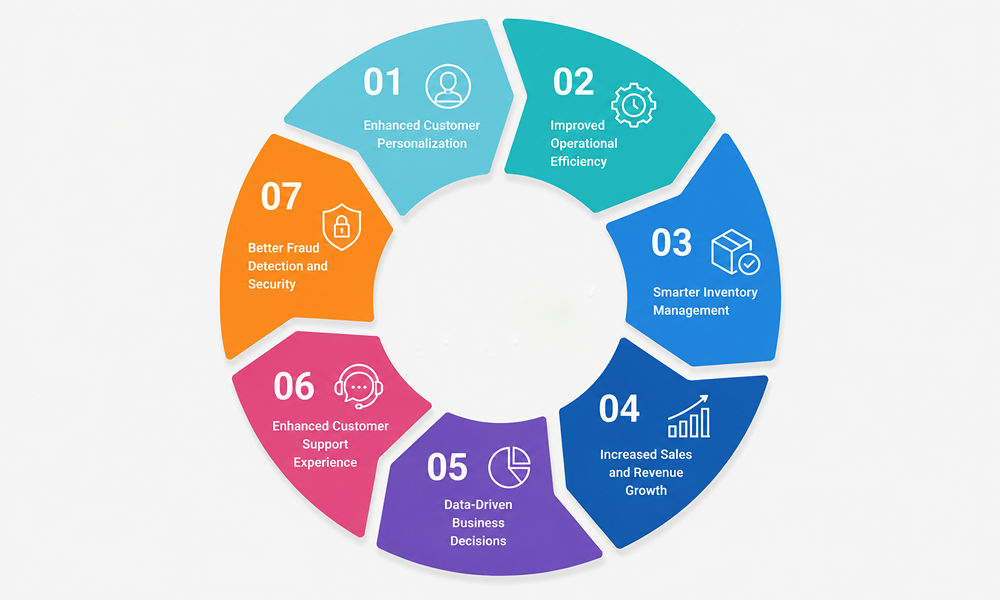
1. Enhanced Customer Personalization
One of the biggest advantages of AI in Shopping is its ability to deliver highly personalized experiences. AI analyzes customer browsing patterns, purchase history, demographics, and preferences to recommend relevant products and promotions. This level of personalization makes customers feel valued, increases engagement, and encourages repeat purchases.
- Personalized product recommendations
- Customized marketing campaigns
- Increased customer engagement
- Higher customer retention rates
- Improved brand loyalty
2. Improved Operational Efficiency
Retail businesses often spend significant time and resources on repetitive tasks such as inventory tracking, order processing, customer inquiries, and reporting. AI-powered automation simplifies these processes, reducing manual effort and human errors. Employees can focus on strategic initiatives and customer-facing activities while AI handles routine operations.
- Automated routine tasks
- Reduced operational costs
- Increased workforce productivity
- Faster business processes
- Better resource utilization
3. Smarter Inventory Management
Managing inventory effectively is critical for retail success. AI-powered forecasting tools analyze historical sales data, seasonal trends, and customer demand patterns to predict future inventory requirements accurately. This enables retailers to maintain optimal stock levels, avoid overstocking, and reduce stock shortages.
- Accurate demand forecasting
- Reduced inventory waste
- Lower storage costs
- Improved stock availability
- Enhanced supply chain efficiency
4. Increased Sales and Revenue Growth
Artificial intelligence helps retailers identify purchasing trends and customer preferences, enabling them to create targeted sales strategies. Through intelligent recommendations, dynamic pricing, and personalized promotions, businesses can significantly improve conversion rates and average order values.
- Higher conversion rates
- Increased average order value
- Improved customer lifetime value
- Better sales forecasting
- Greater revenue opportunities
5. Data-Driven Business Decisions
Modern retailers generate massive amounts of data daily. AI systems can process and analyze this information in real time, uncovering valuable insights that would otherwise be difficult to identify. Retail leaders can make informed decisions regarding pricing, inventory, customer engagement, and marketing strategies.
- Real-time business insights
- Improved forecasting accuracy
- Better strategic planning
- Enhanced decision-making
- Competitive market advantage
6. Enhanced Customer Support Experience
AI-powered chatbots and virtual assistants are transforming retail customer service by providing instant support around the clock. These intelligent systems can answer frequently asked questions, track orders, resolve common issues, and guide customers throughout their shopping journey.
- 24/7 customer assistance
- Faster query resolution
- Reduced support costs
- Improved customer satisfaction
- Consistent service quality
7. Better Fraud Detection and Security
With the growth of online shopping, retailers face increasing risks related to fraudulent transactions and cybersecurity threats. AI can monitor purchasing behavior, identify unusual activities, and detect potential fraud in real time. This proactive approach helps businesses protect customer information, minimize financial losses, and maintain trust in their brand.
- Real-time fraud detection
- Improved transaction security
- Reduced financial losses
- Enhanced customer trust
- Stronger compliance measures
AI Integration Cost in Retail: What Businesses Should Expect
The cost of implementing AI in Retail depends on several factors, including project complexity, required features, data infrastructure, and integration requirements. Retailers may choose simple AI-powered chatbots or advanced predictive analytics platforms depending on their business objectives.
Partnering with a reliable AI app development company ensures efficient deployment, scalability, and long-term return on investment. While initial costs vary, AI solutions often generate significant savings and revenue growth over time through automation, personalization, and operational improvements.
AI Solution Type | Estimated Cost Range |
AI Chatbot Development | $5,000 – $20,000 |
Recommendation Engine | $15,000 – $50,000 |
Predictive Analytics Platform | $25,000 – $75,000+ |
Inventory Management AI | $20,000 – $80,000 |
Visual Search Solution | $30,000 – $120,000 |
Dynamic Pricing System | $25,000 – $100,000 |
Custom Retail AI Platform | $50,000 – $100,000+ |
Enterprise-Level AI Integration | $100,000+ |
Factors Affecting the Cost of AI Integration in Retail
The cost of implementing AI in Retail can vary significantly depending on business requirements, project complexity, and the level of customization involved. While some retailers may only require basic AI-powered chatbots, others may need advanced predictive analytics, recommendation engines, or enterprise-wide automation solutions. Understanding the key factors that influence development and implementation costs can help businesses plan their budgets more effectively and maximize their return on investment.
1. Type of AI Solution
The complexity and functionality of the AI solution significantly impact overall costs. Simple chatbots typically require less investment than advanced systems such as predictive analytics platforms, computer vision solutions, or personalized recommendation engines.
2. Level of Customization
Custom-built AI solutions designed specifically for your retail business generally cost more than ready-made platforms. However, customized solutions offer greater flexibility, scalability, and alignment with business objectives.
3. Data Availability and Quality
AI systems rely on large volumes of high-quality data to perform effectively. If data collection, cleansing, organization, or migration is required, additional development time and costs may be involved.
4. Integration with Existing Systems
The cost of AI integration depends on how seamlessly the new solution can connect with existing retail systems such as CRM platforms, ERP software, inventory management tools, payment gateways, and eCommerce platforms.
5. Features and Functionalities
The number and complexity of features included in the AI solution directly affect development costs. Advanced functionalities such as real-time analytics, voice assistants, visual search, predictive forecasting, and dynamic pricing require additional resources and expertise.
AI-Powered Innovations Driving the Future of Retail
Artificial intelligence is enabling retailers to introduce innovative technologies that redefine customer engagement and operational efficiency.
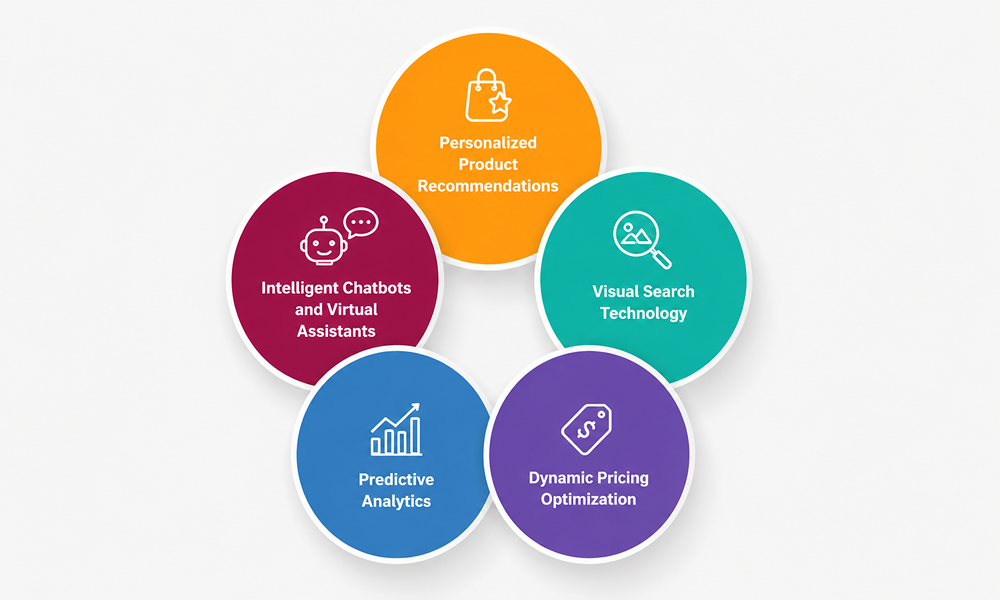
1. Personalized Product Recommendations
AI analyzes browsing history, purchase behavior, and customer preferences to recommend products that match individual interests.
- Improved customer engagement
- Higher conversion rates
- Increased average order value
- Enhanced shopping satisfaction
2. Intelligent Chatbots and Virtual Assistants
AI-powered chatbots provide instant customer support, answer queries, and assist shoppers throughout their purchasing journey.
- 24/7 customer support
- Faster response times
- Reduced support costs
- Improved customer experience
3. Visual Search Technology
Customers can upload images to find similar products instantly, simplifying product discovery and enhancing convenience.
- Faster product searches
- Better customer engagement
- Improved user experience
- Increased purchase likelihood
4. Predictive Analytics
AI helps retailers forecast customer demand, identify trends, and optimize inventory planning.
- Accurate demand forecasting
- Reduced stock shortages
- Lower inventory costs
- Improved planning efficiency
5. Dynamic Pricing Optimization
Artificial intelligence continuously adjusts pricing based on demand, competition, and market conditions.
- Competitive pricing strategies
- Increased revenue opportunities
- Better inventory movement
- Enhanced profitability
Partner with OZVID Technologies to Build the Future of Retail
Artificial intelligence is no longer a futuristic concept, it is a strategic necessity for retailers looking to thrive in an increasingly competitive market. From personalized shopping experiences and intelligent customer support to predictive analytics and automated inventory management, AI in Shopping is transforming every aspect of the retail ecosystem.
At OZVID Technologies, we specialize in delivering innovative AI-powered retail solutions tailored to modern business needs. As a trusted AI app development company, we help retailers implement advanced AI integration strategies that improve customer engagement, optimize operations, and accelerate business growth.
Whether you are planning to launch a smart retail platform, develop an AI-powered shopping application, or modernize existing systems, our team can help you build scalable and future-ready solutions. Partner with OZVID Technologies and leverage the power of AI in Retail to create exceptional shopping experiences and sustainable business success.
Frequently Asked Questions
1. What is AI in Retail?
AI in Retail refers to the use of artificial intelligence technologies to improve customer experiences, automate operations, optimize inventory, and support business decision-making. Key Benefits:
- Personalized recommendations
- Automated customer support
- Inventory optimization
- Data-driven insights
2. How does AI improve the shopping experience?
AI analyzes customer behavior and preferences to deliver personalized recommendations, targeted promotions, and instant assistance. Key Benefits:
- Better personalization
- Faster support
- Improved product discovery
- Enhanced convenience
3. Is AI suitable for small retail businesses?
Yes. AI solutions are available for businesses of all sizes and can help small retailers improve efficiency, customer engagement, and profitability. Key Benefits:
- Affordable automation
- Better customer service
- Improved inventory management
- Increased sales opportunities
4. How long does AI integration take in retail?
Implementation timelines vary depending on project complexity and features but typically range from a few weeks to several months. Factors:
- Project scope
- Data availability
- Integration requirements
- Customization needs
5. What role does an AI app development company play?
An AI app development company designs, develops, deploys, and maintains AI-powered retail solutions tailored to business goals. Services Include:
- AI strategy consulting
- Custom AI development
- System integration
- Ongoing support
6. What is the future of AI in Shopping?
The future includes hyper-personalization, autonomous stores, conversational commerce, predictive analytics, and intelligent supply chains. Emerging Trends:
- Smart retail automation
- AR-powered shopping
- Voice commerce
- Real-time personalization