
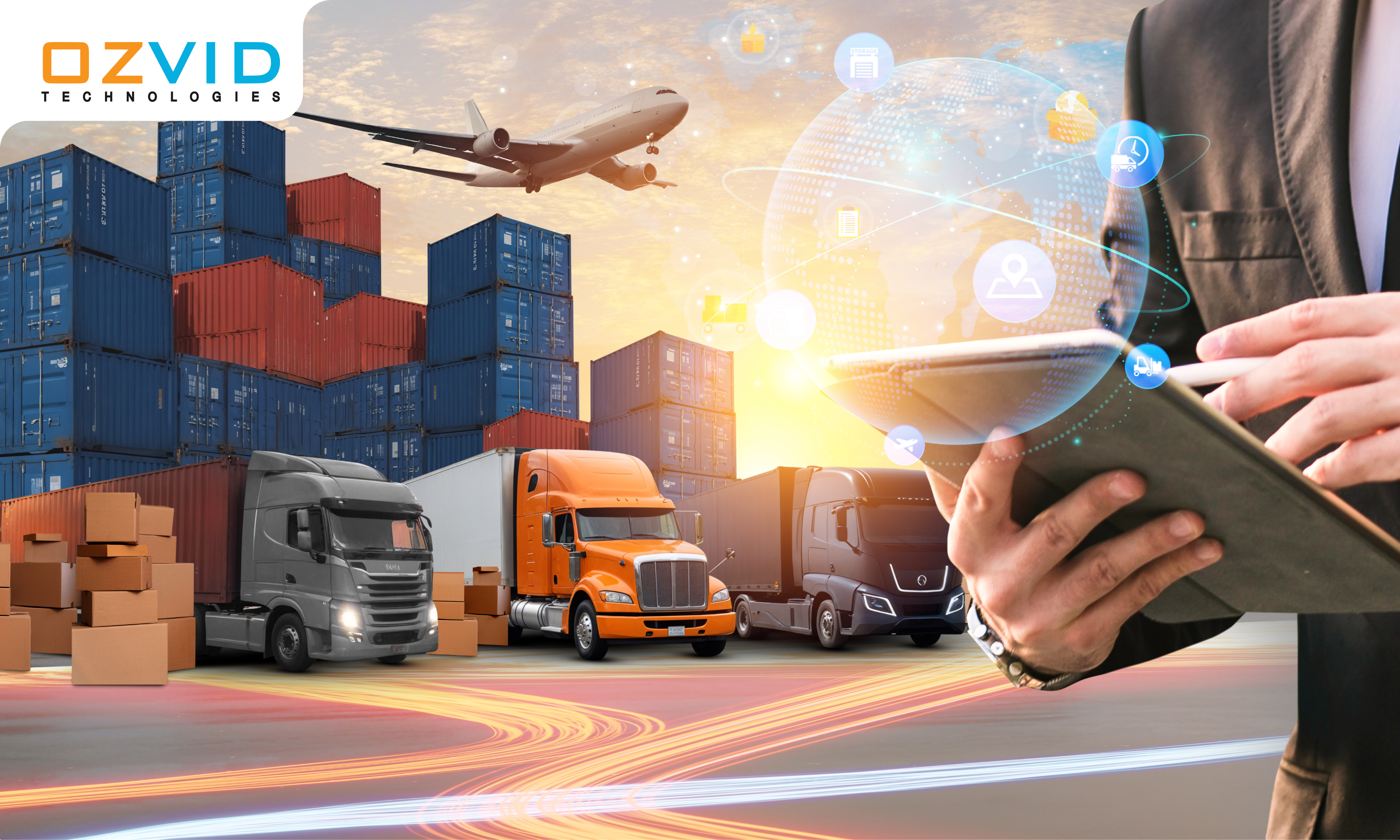
The global logistics sector is estimated to reach $15.8 Trillion by 2028, rising at a CAGR of 6.3%. The logistics and transportation industry has been a backbone of global trade for centuries. From moving goods across cities to entire continents, logistics has been a cornerstone of economic growth and connectivity. However, in recent years, this industry has faced an undeniable shift as businesses seek smarter, more efficient, and more sustainable ways of transporting goods. At the heart of this change is the digital transformation of logistics operations through Information Technology (IT) solutions.
Key Takeaways
- IT solutions are modernizing every part of the logistics process, from warehouse management to real-time fleet tracking.
- AI, IoT, cloud computing, and blockchain are reshaping logistics operations for better speed, accuracy, and transparency.
- The rise of Big Data analytics is allowing companies to make informed decisions, optimize routes, and reduce costs.
- Digital tools help businesses deliver faster, more accurate deliveries, improving customer satisfaction.
- IT solutions are helping logistics companies reduce emissions, optimize fuel consumption, and enhance sustainability efforts.
Digital Transformation in Logistics and Transportation
The digital transformation of logistics operations brings a multitude of benefits, not just to the logistics providers but to customers, suppliers, and the entire supply chain. These benefits are helping logistics companies reduce operational costs, streamline operations, and enhance overall performance.
Improved Efficiency
One of the most significant advantages of adopting IT solutions in logistics is automation. Tasks that once took hours can now be completed in minutes. For example, automated sorting systems in warehouses can quickly categorize goods and prepare them for delivery. Additionally, with route optimization algorithms, delivery fleets can follow the most efficient routes, saving fuel and time.
Real-Time Visibility
Modern IT solutions, like Internet of Things (IoT) sensors and GPS, provide real-time tracking of vehicles and cargo. This gives both the logistics provider and the customer complete visibility of the supply chain. Knowing the exact location of goods allows companies to predict delivery times more accurately and resolve potential delays before they become bigger issues.
Data-Driven Decision-Making
With the explosion of data in modern logistics, businesses can now leverage this information to make better decisions. Big Data analytics allows companies to forecast demand, optimize inventory levels, and predict future trends. By analyzing past performance and customer behavior, logistics firms can optimize their operations and reduce waste.
Cost Savings
Digitization allows logistics companies to streamline their operations, reduce waste, and avoid unnecessary overhead. By automating processes like route planning, inventory management, and documentation, companies can reduce human error and improve their bottom line. The resulting savings are often passed on to customers in the form of lower delivery costs.
Enhanced Customer Experience
Today's customers expect more than just timely deliveries—they want convenience, visibility, and accuracy. IT solutions like tracking apps and predictive analytics allow customers to monitor their shipments in real-time, enhancing transparency and trust. In addition, these technologies help logistics companies meet customer expectations with faster deliveries and fewer errors.
Compliance and Reporting
The logistics industry is subject to strict regulatory compliance, especially when it comes to safety, taxes, and environmental concerns. IT solutions help companies track their compliance more easily by automating reporting processes and ensuring that operations align with regulatory requirements. This can significantly reduce the risk of legal penalties.
Sustainability
With the rise of eco-conscious consumers, sustainability has become a priority for the logistics industry. IT solutions are helping companies reduce their carbon footprint by improving route planning, optimizing fuel consumption, and utilizing alternative energy sources. By incorporating digital tools to track fuel use and emissions, logistics firms can work toward sustainability goals.
Scalability and Flexibility
Digital systems allow logistics companies to scale their operations efficiently. As businesses grow or demand fluctuates, IT solutions can adapt without the need for major overhauls in infrastructure. For example, cloud-based systems offer flexibility to expand storage and computing power as needed, making it easier to manage larger volumes of data or additional service offerings.
How is Artificial Intelligence Transforming Logistics?
Artificial Intelligence (AI) is revolutionizing the logistics and transportation industry by enabling smarter, faster, and more adaptive operations. As supply chains grow increasingly complex and customer expectations for speed, transparency, and reliability rise, AI acts as a powerful catalyst for efficiency and innovation. Instead of relying on static rules or manual decision-making, AI systems continuously learn from data, adapt to changing conditions, and optimize outcomes across the logistics ecosystem.
Intelligent Demand Forecasting
One of the most significant contributions of AI in logistics is accurate demand forecasting. Traditional forecasting models often rely on historical averages and fixed assumptions, which struggle to account for market volatility. AI-driven models analyze vast datasets that include historical sales, seasonal trends, promotions, economic indicators, weather patterns, and even social media signals.
AI-Powered Route Planning
Route planning is a critical component of logistics operations. AI transforms this process by dynamically optimizing routes in real time. Unlike traditional route planning systems, AI considers multiple variables simultaneously, such as traffic congestion, road conditions, fuel prices, delivery windows, vehicle capacity, and driver availability. AI can also reroute vehicles instantly when disruptions occur, such as accidents or severe weather, ensuring minimal impact on delivery schedules.
Predictive Maintenance
Logistics operations depend heavily on vehicles, machinery, and infrastructure. AI-driven predictive maintenance uses data from sensors and telematics systems to monitor the health of trucks, trailers, forklifts, and other assets. By analyzing patterns in vibration, temperature, fuel usage, and performance metrics, AI can predict potential failures before they happen. Predictive maintenance shifts logistics from a reactive to a preventive approach, significantly improving reliability.
Warehouse Intelligence
Warehouses are becoming smarter through AI-powered automation. AI enhances warehouse management by optimizing storage layouts, picking paths, and labor allocation. Intelligent systems analyze order patterns to position high-demand items closer to dispatch zones, reducing picking time. AI-driven vision systems can also identify damaged goods, verify shipments, and ensure quality control, further improving warehouse efficiency.
Enhanced Supply Chain Visibility
AI improves end-to-end supply chain visibility by aggregating and analyzing data from multiple sources, including suppliers, carriers, ports, and warehouses. Advanced analytics and machine learning models detect anomalies, predict delays, and identify potential risks. AI transforms supply chains into adaptive networks capable of responding quickly to unexpected events.
Intelligent Pricing and Cost Optimization
AI plays a crucial role in dynamic pricing and cost management within logistics. By analyzing market demand, capacity availability, fuel costs, and competitor behavior, AI systems recommend optimal pricing strategies for freight services. AI-driven cost optimization ensures competitiveness in highly volatile transportation markets.
Customer Experience
Customer expectations in logistics are higher than ever. AI-powered chatbots and virtual assistants provide instant responses to shipment inquiries, tracking updates, and delivery notifications. These systems operate 24/7, improving responsiveness without increasing staffing costs. As a result, logistics companies build stronger customer relationships and improve satisfaction.
Fraud Detection
AI enhances security and compliance by identifying unusual patterns in transactions, documentation, and shipment movements. Machine learning models can detect fraudulent activities, billing discrepancies, or regulatory violations more effectively than manual audits.
Autonomous Decision-Making
As AI technologies mature, logistics systems are moving toward autonomous decision-making. AI platforms can recommend or execute actions such as reallocating inventory, adjusting routes, or selecting carriers based on predefined goals and real-time data.
Top Trends Transforming Logistics
The logistics and transportation industry is experiencing a period of unprecedented transformation. Rapid advancements in digital technologies, shifting customer expectations, globalization, and the need for sustainability are redefining how goods are moved, stored, and delivered. Modern logistics is no longer just about transportation; it is about building intelligent, connected, and data-driven ecosystems that can adapt to constant change. Below are the top trends transforming logistics, each playing a critical role in shaping the future of the industry.
Cloud Logistics
Cloud logistics has become the foundation of digital supply chains. By migrating logistics systems to the cloud, organizations gain real-time access to data, enhanced collaboration, and greater operational flexibility. Cloud-based Transportation Management Systems (TMS), Warehouse Management Systems (WMS), and Enterprise Resource Planning (ERP) platforms allow logistics providers, shippers, and partners to work within a shared digital environment. Cloud logistics also supports remote operations, making it easier for companies to manage global supply chains across multiple locations.
Internet of Things
The Internet of Things (IoT) connects physical assets such as vehicles, containers, pallets, and warehouse equipment to digital systems through sensors and smart devices. IoT enables continuous tracking and monitoring of goods throughout the logistics journey. IoT-driven visibility helps organizations respond quickly to disruptions and ensures higher service quality.
Blockchain
Blockchain technology is transforming logistics by enhancing transparency, security, and trust among supply chain stakeholders. By creating a decentralized and immutable ledger, blockchain ensures that all participants share a single, verified version of the truth. Blockchain is particularly valuable in complex global supply chains involving multiple partners and cross-border transactions.
Artificial Intelligence
Artificial Intelligence is at the heart of intelligent logistics operations. AI analyzes massive volumes of data to uncover patterns, predict outcomes, and optimize decision-making. It supports demand forecasting, route optimization, warehouse automation, and customer service. As AI continues to evolve, it will increasingly drive autonomous and self-optimizing logistics systems.
Virtual Reality and Digital Twins
Virtual Reality (VR) and digital twin technologies allow logistics companies to simulate and visualize operations in a virtual environment. Digital twins create real-time digital replicas of physical assets such as warehouses, fleets, or entire supply chains. By reducing trial-and-error in real-world operations, digital twins lower costs and improve efficiency.
Self-driving Vehicles
Autonomous vehicles represent a major shift in transportation and logistics. Self-driving trucks and delivery vehicles use AI, sensors, and advanced navigation systems to operate with minimal human intervention. While regulatory and infrastructure challenges remain, pilot programs and gradual adoption are already reshaping the future of freight transport.
Robotics and Automation
Robotics and automation are transforming warehouses and distribution centers. Automated guided vehicles (AGVs), robotic arms, and sorting systems handle repetitive and labor-intensive tasks with speed and precision. As labor shortages grow, robotics becomes essential for maintaining operational continuity.
Big Data Analytics
Logistics operations generate enormous amounts of data from shipments, vehicles, customers, and partners. Big data analytics converts this raw data into meaningful insights that drive strategic and operational decisions. Data-driven logistics enables continuous improvement and competitive advantage.
Augmented Reality
Augmented Reality (AR) enhances logistics operations by overlaying digital information onto the physical world. In warehouses, AR tools guide workers through picking and packing processes using smart glasses or mobile devices. AR bridges the gap between digital systems and human workers.
3D Printing
3D printing, or additive manufacturing, is reshaping logistics by enabling localized and on-demand production. Instead of shipping spare parts or products across long distances, companies can print them closer to the point of use. As 3D printing technology matures, it will fundamentally alter traditional logistics models.
Challenges of Digitization in Logistics and Transportation
While the benefits of IT solutions in logistics are undeniable, the process of digitization does come with its own set of challenges. These obstacles must be addressed to ensure a smooth transition and long-term success in the logistics industry.
High Initial Investment
The cost of implementing advanced digital systems can be a barrier for many small to medium-sized logistics companies. From purchasing hardware to developing custom software solutions, the initial investment can be high. However, the long-term savings and efficiency gains often outweigh these costs.
Integration with Existing Systems
Many logistics companies have legacy systems that may not be easily compatible with modern IT solutions. Integrating new technologies into older systems can be a complex and time-consuming process. Additionally, staff may require training to adapt to new tools, which can result in a temporary loss of productivity.
Cybersecurity Risks
As the logistics industry becomes more reliant on digital tools, the risk of cyberattacks increases. A breach in security could compromise sensitive information, disrupt operations, or lead to financial losses. Companies must invest in robust cybersecurity measures and protocols to protect both their own data and that of their customers.
Data Privacy Concerns
With the collection of vast amounts of data from various sources, logistics companies must ensure they handle personal and corporate data responsibly. Compliance with data protection regulations, such as the General Data Protection Regulation (GDPR), is essential to avoid legal ramifications and maintain customer trust.
Change Management
Adopting new technologies can face internal resistance from employees who are used to traditional ways of working. Change management strategies must be implemented to ensure staff is properly trained and motivated to adopt new systems. Without proper buy-in from employees, the digital transformation may not be successful.
Maintaining System Uptime
The logistics sector requires constant uptime to ensure operations run smoothly. Downtime due to system failures or glitches can cause delays and disruptions. Therefore, it is vital for logistics companies to have backup systems and support in place to minimize potential disruptions.
Supply Chain Complexity
Global logistics networks involve a vast array of different partners, suppliers, and vendors. Coordinating these parties using digital tools can be complex, especially when dealing with different platforms and standards. Standardization of digital systems across the supply chain is necessary to streamline operations effectively.
Rapid Technological Changes
Technology is evolving at a fast pace, and keeping up with the latest advancements can be challenging. Logistics companies need to continuously evaluate and update their digital systems to remain competitive and stay ahead of emerging technologies like autonomous vehicles, drones, and AI-powered logistics.
Conclusion
At OZVID Technologies, we understand that the future of logistics is digital. The rapid pace of technological change is transforming the way goods are transported, and businesses must embrace innovation to stay competitive. Through our advanced IT solutions, we help logistics companies optimize their operations, enhance customer satisfaction, and reduce costs. While there are challenges in this digital transformation journey, we are committed to providing support and expertise to ensure smooth implementation and long-term success. The logistics landscape is evolving, and we are excited to be a part of shaping its future. Contact us to learn more.
Frequently Asked Questions
1. How can IoT enhance logistics operations in the transport industry?
The Internet of Things (IoT) is transforming logistics by enabling real-time tracking and providing valuable data on vehicles, cargo, and assets. By utilizing IoT, logistics operations become more efficient and transparent.
- Real-time tracking of shipments, vehicles, and cargo.
- Enables better route optimization and faster decision-making.
- Provides insights into environmental conditions (e.g., temperature and humidity).
- Enhances supply chain visibility, reducing downtime and delays.
2. What role does AI play in route optimization for logistics?
AI plays a crucial role in optimizing routes by analyzing large amounts of data. Its ability to process traffic patterns, weather conditions, and road closures helps create the most efficient and cost-effective routes.
- AI analyzes traffic, weather, and road closures to optimize routes.
- Reduces fuel consumption and delivery time.
- Minimizes delays and enhances operational efficiency.
- Contributes to a greener, more sustainable transport system.
3. What are the key advantages of adopting a Transport Management System (TMS)?
ATransport Management System (TMS) streamlines logistics operations by automating key functions such as route planning and performance monitoring. It helps logistics companies reduce costs while improving customer service.
- Automates route planning and delivery scheduling.
- Reduces freight costs and enhances supply chain visibility.
- Provides analytical insights into operational performance.
- Improves communication with stakeholders and partners.
4. How can automation and robotics improve warehouse operations?
Automation and robotics are revolutionizing warehouse operations by enhancing speed and accuracy. This leads to greater efficiency and reduced errors in processing orders.
- Reduces manual labor, improving productivity.
- Enhances order accuracy through automated sorting and packaging.
- Increases processing speed with robotic arms and AGVs.
- Improves inventory management and reduces human errors.
5. How do smart warehouses revolutionize inventory management?
Smart warehouses combine IoT, AI, and robotics to automate inventory management, enabling faster, more accurate stock tracking and restocking. This enhances operational efficiency and customer satisfaction.
- Automates real-time stock tracking and order fulfillment.
- Reduces errors and improves space optimization.
- Speeds up picking, packing, and restocking processes.
- Reduces operational costs and improves customer satisfaction.
6. How do mobile applications enhance logistics operations?
Mobile applications are improving logistics operations by enabling real-time communication and on-the-go access to essential information for drivers, logistics managers, and customers.
- Provides live tracking and delivery status updates.
- Allows for instant communication between drivers, managers, and customers.
- Supports route optimization and document management on the go.
- Enhances customer experience by offering real-time updates.
7. How does blockchain technology improve security in logistics?
Blockchain technology offers enhanced security by providing decentralized, tamper-proof ledgers that track shipments and contracts. This increases transparency and builds trust across the supply chain.
- Provides a secure, transparent way to track shipments and assets.
- Reduces fraud and errors in shipment tracking.
- Facilitates secure contract exchanges and payments.
- Increases trust among stakeholders and minimizes delays.